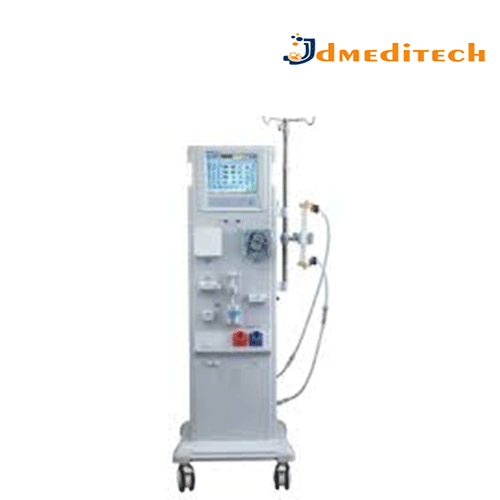
A Dialysis Machine is a medical device used to perform hemodialysis, a life-saving treatment for patients with kidney failure. It filters and removes waste, toxins, and excess fluids from the blood when the kidneys can no longer function properly.
Features:
Blood pump to circulate patient’s blood
Dialyzer (artificial kidney) to filter the blood
Monitors for blood pressure, flow rate, and temperature
Ultrafiltration control to manage fluid removal
Alarms and safety systems to detect leaks or clots
User-friendly touchscreen interface
Uses:
Treats chronic kidney disease (CKD) or acute kidney failure
Helps maintain electrolyte and fluid balance
Removes urea, creatinine, and other toxins from blood
Used in hospitals, dialysis centers, and sometimes at home
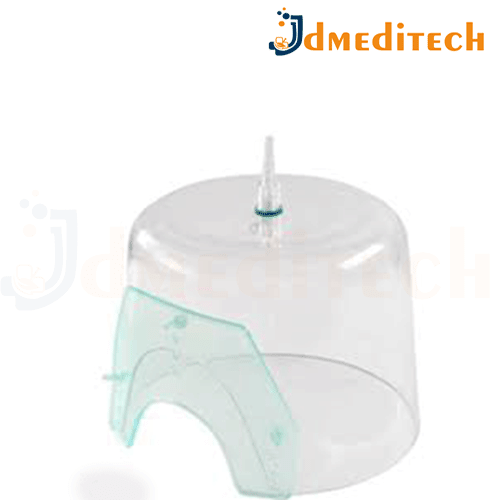
An Oxygen Hood is a medical device used to deliver a controlled flow of oxygen to infants, especially newborns who need respiratory support.
Features:
Transparent plastic dome placed over the infant’s head
Connects to an oxygen source via tubing
Allows precise control of oxygen concentration
Open at the bottom to prevent CO₂ buildup
Uses:
Provides supplemental oxygen to infants with breathing difficulties
Used in NICUs or nurseries for conditions like mild respiratory distress
Non-invasive alternative to masks or nasal cannulas
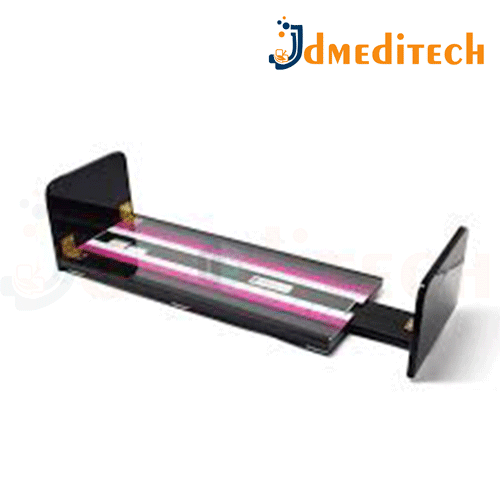
A Gynecology Infantometer is a medical measuring device used to accurately measure the length (height) of newborns and infants, typically in gynecology, pediatrics, or maternity settings.
Features:
Flat, rigid base with a sliding head and foot board
Graduated scale marked in centimeters or inches
Made of durable, easy-to-clean materials
Designed for infants up to around 2 years old
Uses:
Measures infant length for growth monitoring
Used in hospitals, maternity wards, and clinics
Helps assess developmental milestones and nutritional status
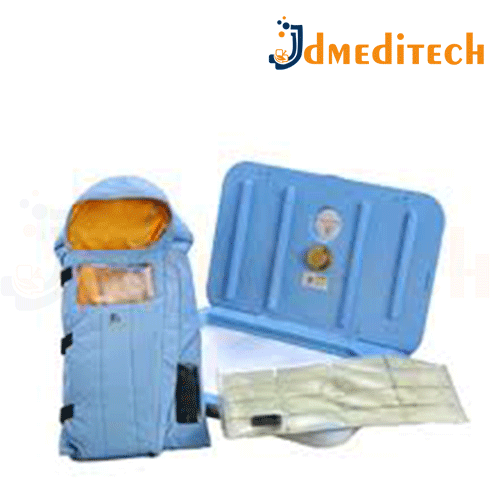
Portable Infant Warmer Bags are specially designed thermal bags used to maintain the body temperature of newborns, especially during transport or in low-resource settings.
Features:
Insulated, heat-retaining material
Often includes phase-change warmers or gel packs
Lightweight and easy to carry
Designed for safe infant placement and visibility
Some models are reusable and easy to clean
Uses:
Prevents hypothermia in newborns, especially premature or low-birth-weight babies
Used in ambulances, rural clinics, and emergency situations
Supports safe transport from birth sites to hospitals
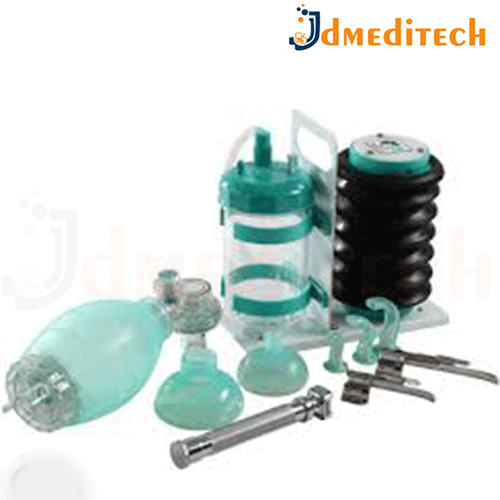
An Infant Resuscitation Kit is a medical emergency kit designed to provide life-saving support to newborns who have difficulty breathing or need immediate resuscitation after birth.
Features:
Self-inflating or flow-inflating bag
Oxygen reservoir and tubing
Face masks in infant sizes
Suction device
May include laryngoscope, endotracheal tubes, and airways
Uses:
Assists in resuscitating non-breathing or distressed newborns
Maintains airway and ventilation in emergencies
Used in delivery rooms, NICUs, and ambulances
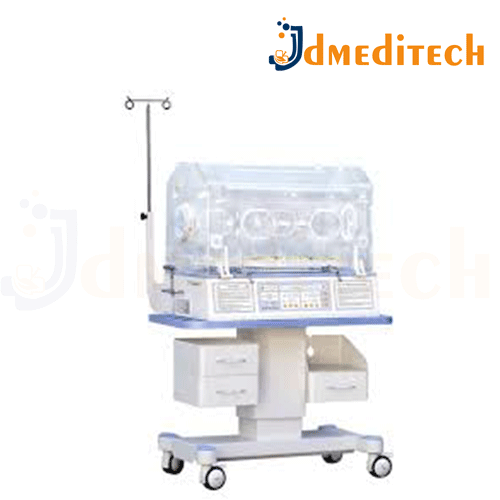
An Infant Incubator is a medical device designed to provide a controlled and safe environment for newborns, especially premature or ill infants, to support their development and survival.
Features:
Regulated temperature, humidity, and oxygen levels
Transparent chamber for monitoring
Access ports for medical care without exposing the baby
Optional features: phototherapy lights, weight scale, alarms, and servo controls
Uses:
Maintains body temperature of premature or low-birth-weight infants
Protects from infection, noise, and drafts
Supports neonatal intensive care (NICU) conditions
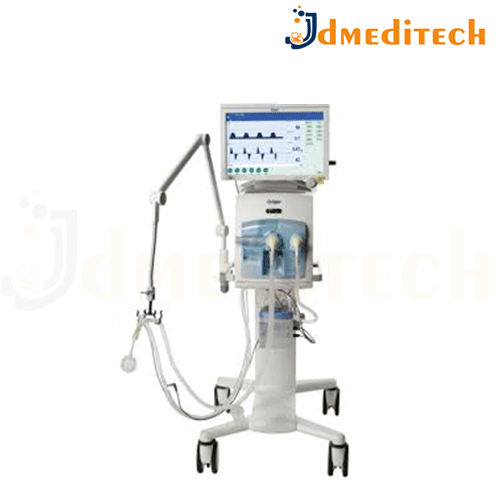
A Neonatal Ventilator is a specialized respiratory support machine designed to help newborns, especially premature or critically ill infants, breathe when they cannot do so effectively on their own.
Features:
Delivers controlled oxygen and air mixtures
Adjustable respiratory rate, pressure, and volume
Modes like CPAP, SIMV, or pressure support
Equipped with alarms for safety and monitoring
Highly sensitive to the needs of fragile neonatal lungs
Uses:
Supports infants with respiratory distress syndrome (RDS)
Used in NICUs for premature babies with underdeveloped lungs
Helps manage conditions like apnea, pneumonia, or congenital lung issues
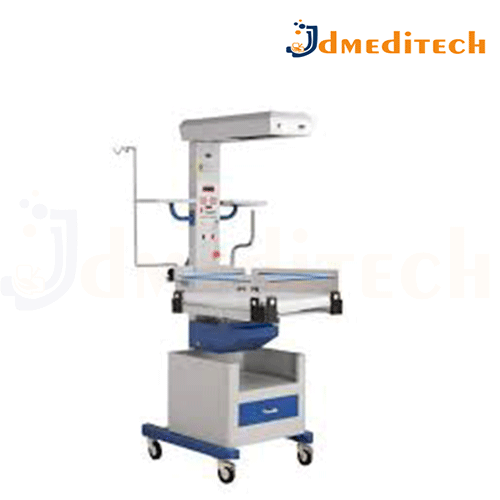
An Infant Radiant Warmer is a medical device used to maintain the body temperature of newborns, especially in delivery rooms and NICUs, by providing direct radiant heat.
Features:
Overhead radiant heat source (usually infrared)
Temperature sensors for automatic regulation
Open design for easy access during medical care
Includes resuscitation equipment, timer, and alarms in advanced models
Uses:
Keeps newborns warm immediately after birth
Supports infants during resuscitation and initial care
Used in cases of hypothermia, premature birth, or low birth weight
A LED Phototherapy Stand is a medical device designed to treat neonatal jaundice by using LED light mounted on an adjustable stand to deliver effective phototherapy.
Features:
High-intensity LED lights (usually blue spectrum)
Height-adjustable stand for optimal light positioning
Low heat emission for infant comfort
Energy-efficient and long-lasting light source
Built-in timer and light intensity controls
Uses:
Reduces bilirubin levels in newborns with jaundice
Used in NICUs, maternity wards, and home care settings
Offers non-invasive, safe, and effective jaundice treatment
A Phototherapy Unit is a medical device used to treat neonatal jaundice (high bilirubin levels) in newborns by exposing their skin to specific wavelengths of light.
Features:
Uses blue or white fluorescent or LED lights
Adjustable light intensity and distance
May include overhead units, fiber-optic blankets, or bassinets
Timer and safety shields to protect eyes and skin
Uses:
Breaks down bilirubin in the baby’s skin to help eliminate it
Treats hyperbilirubinemia or jaundice in newborns
Commonly used in hospitals and NICUs