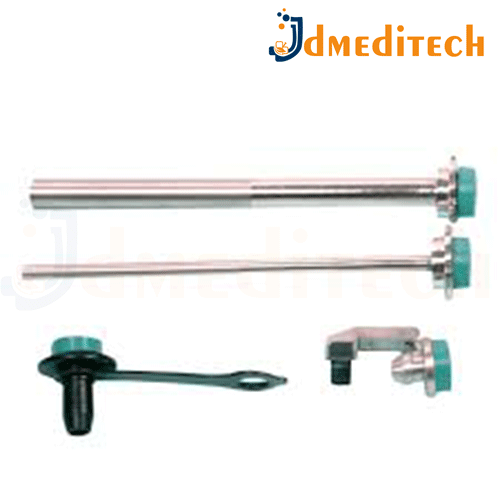
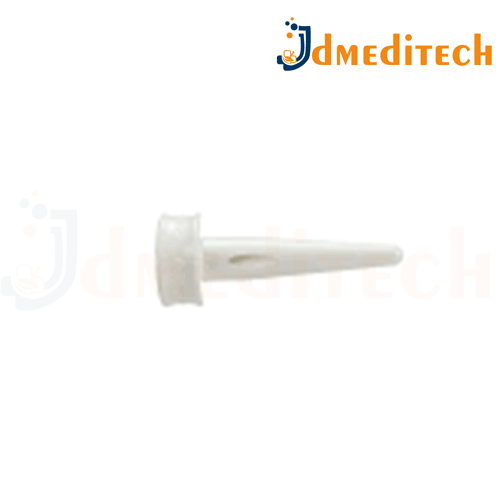
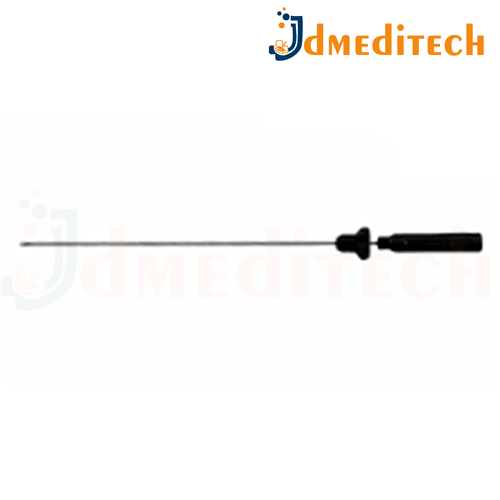
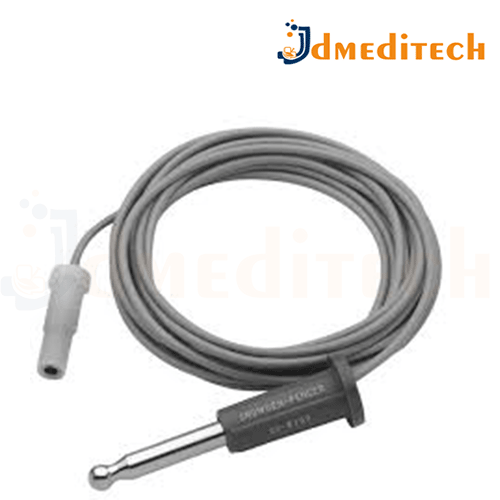
A Plastic Trocar Reducer is a surgical accessory used in laparoscopic procedures to adapt or reduce the size of a larger trocar so that it can securely hold smaller-diameter instruments.
Features:
Made from medical-grade plastic
Lightweight and easy to insert/remove
Designed to fit various trocar sizes
Maintains gas seal during surgery
Autoclavable or disposable, depending on type
Uses:
Allows use of smaller instruments (e.g., 5mm) in larger trocars (e.g., 10mm or 12mm)
Prevents gas leakage during laparoscopic procedures
Ensures instrument stability within the port
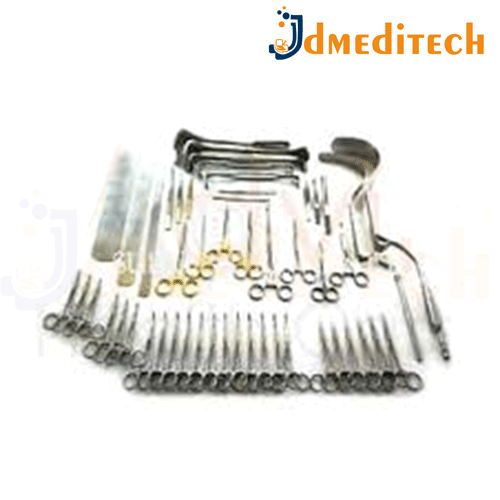
A Laparotomy Instrument Set is a comprehensive collection of surgical tools used for open abdominal surgery (laparotomy). It includes all the essential instruments required for incision, retraction, dissection, clamping, suturing, and closing during abdominal procedures.
Features:
Made of high-quality stainless steel
Includes basic and specialized instruments
Available in standard or customized configurations
Sterilizable and reusable
Packed in organized trays or cases
Common Instruments in the Set:
Scalpels and scissors (for cutting)
Forceps and needle holders (for gripping and suturing)
Retractors (for holding tissues apart)
Clamps and hemostats (for vessel control)
Suction tips and sponges (for fluid management)
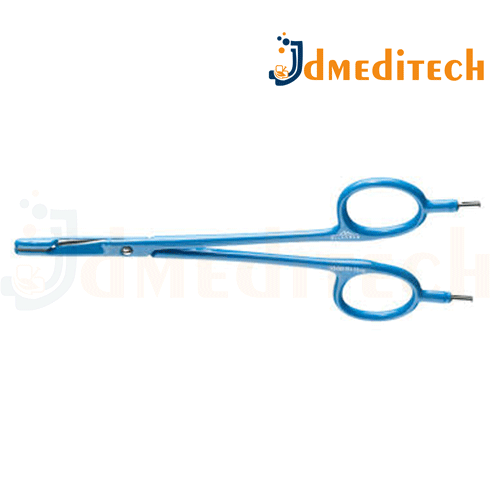
A Bipolar Clamp is a surgical instrument used to grasp, seal, and coagulate blood vessels or tissues using bipolar electrical energy, commonly in laparoscopic or open surgeries.
Features:
Jaws with bipolar electrodes for energy delivery
Insulated shaft to prevent unintended tissue damage
Provides controlled vessel sealing with minimal thermal spread
Connects to a bipolar electrosurgical unit (ESU)
Available in various jaw shapes and sizes
Uses:
Grasps and coagulates vessels or tissue bundles
Ideal for blood vessel sealing in minimally invasive or open surgery
Reduces the need for clips or sutures
Used in general, gynecologic, and urologic surgeries
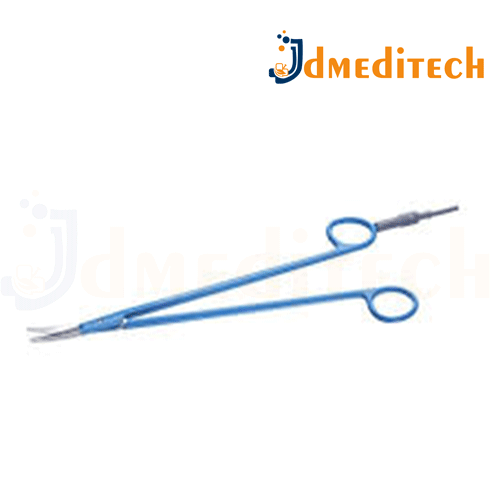
A Bipolar Scissor is a surgical instrument that combines cutting and bipolar coagulation functions, used in laparoscopic and open surgeries for precise tissue dissection with minimal bleeding.
Features:
Scissor blades with integrated bipolar electrodes
Allows simultaneous cutting and coagulation
Reduces bleeding by sealing vessels while cutting
Insulated shaft for patient safety
Compatible with bipolar electrosurgical units (ESUs)
Uses:
Used in gynecologic, urologic, and general laparoscopic surgeries
Ideal for cutting vascular tissues while minimizing blood loss
Enhances efficiency and safety during dissection
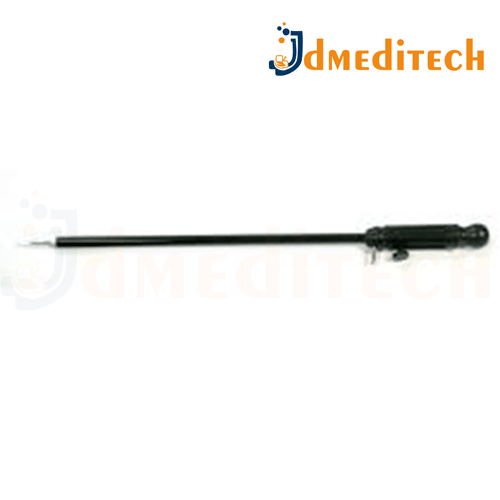
A Laparoscopic Endo Knife is a precision surgical instrument used in minimally invasive (laparoscopic) surgeries to cut or dissect tissues with high accuracy.
Features:
Sharp blade or needle tip for clean tissue cutting
Long, slender shaft to fit through laparoscopic trocars
Can be mechanical or electrosurgical (energy-based)
Ergonomic handle for control and stability
Available in disposable or reusable versions
Uses:
Used in tissue dissection, adhesiolysis, and fine incisions
Common in procedures like endoscopic submucosal dissection (ESD)
Provides precise cutting with minimal trauma to surrounding tissue
A Port Cone (used for Laparoscopic Trocar Incision Closure) is a surgical accessory designed to aid in closing trocar incisions safely and efficiently after laparoscopic procedures.
Features:
Cone-shaped guide that fits into trocar site
Made of medical-grade plastic or metal
Allows easy suture placement through small incisions
Helps in visualizing and aligning the fascia
Uses:
Assists in closing the fascia and skin at port sites (especially ≥10mm)
Reduces risk of port-site hernia
Improves precision and speed of closure after laparoscopy
Port Closure refers to the surgical technique and tools used to close the incision site made for laparoscopic trocars (ports) after minimally invasive surgery, especially when the port size is ≥10mm.
Features:
Uses suture passer or port closure devices
Ensures secure closure of fascia and skin layers
Designed to prevent hernia formation
Compatible with various port sizes and depths
Uses:
Closes abdominal wall defects after laparoscopic port removal
Prevents port-site hernia
Ensures proper healing and reduces postoperative complications
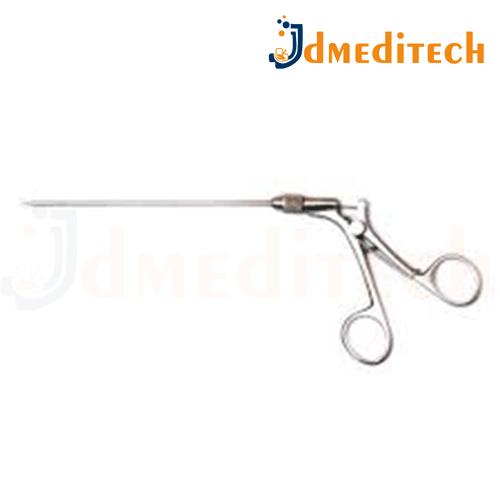
A Laparoscopic Knot Pusher with Cutter is a specialized surgical instrument used to advance and secure sutures inside the body during laparoscopic surgery and then cut the suture once the knot is tied.
Features:
Combines knot pushing and cutting functions in one tool
Long shaft for access through laparoscopic ports
Ergonomic handle for precise control
Made from medical-grade stainless steel
Available in reusable or disposable forms
Uses:
Used in intracorporeal or extracorporeal suturing
Helps in tying and securing surgical knots
Commonly used in gastrointestinal, urological, and gynecological laparoscopic procedures
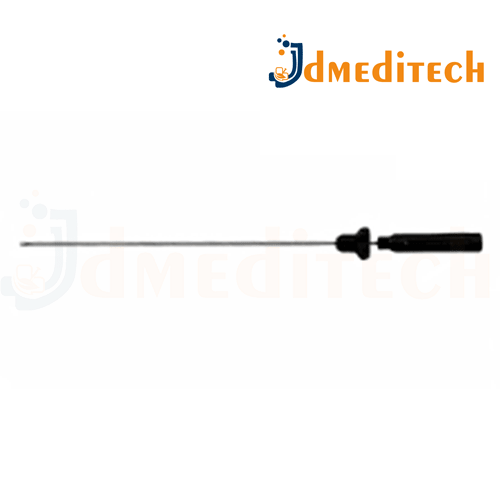
A Laparoscopic Knot Pusher is a surgical instrument used during laparoscopic (minimally invasive) surgeries to securely push and tighten knots inside the body after suturing.
Features:
Long, slender shaft to reach deep surgical areas
Compatible with various suture sizes
May be reusable or disposable
Made of stainless steel or medical-grade polymer
Uses:
Facilitates intracorporeal or extracorporeal knot tying
Helps tie sutures in confined spaces during laparoscopic procedures
Commonly used in gynecologic, gastrointestinal, and urologic surgeries
A Laparoscopic Cable is a specialized cable used to connect laparoscopic instruments to light sources, cameras, or energy devices during minimally invasive surgeries.
Features:
Made with fiber-optic or electrical conductors
Durable, sterilizable, and flexible
Compatible with light sources (LED, Xenon, Halogen)
Standardized connectors (Storz, Olympus, Wolf, etc.)
Available in various lengths and diameters
Uses:
Transmits light from the source to the laparoscope for internal visibility
Connects electrosurgical instruments to energy sources
Ensures clear imaging and safe energy delivery during procedures