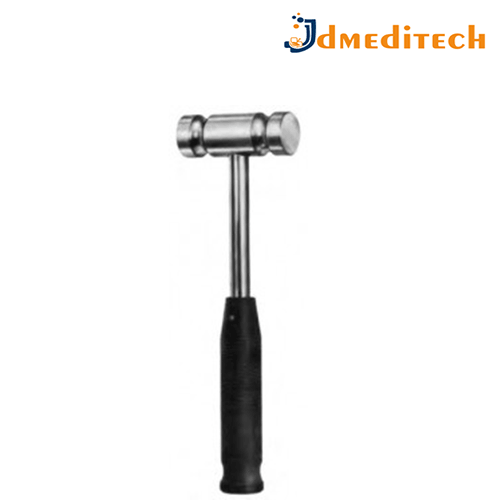
An Orthopedic Hammer is a surgical instrument used in orthopedic procedures to apply controlled force to bones, implants, or instruments such as chisels or osteotomes.
Features:
Made of stainless steel for durability and sterilization
Available in different sizes and head shapes (flat, round, or dual-faced)
Non-slip handle for firm grip
May be solid or mallet-type with replaceable heads
Uses:
Assisting in bone repositioning during fracture fixation
Driving nails, pins, screws, or orthopedic implants
Supporting joint or spine surgeries
Used with osteotomes or chisels to shape or remove bone
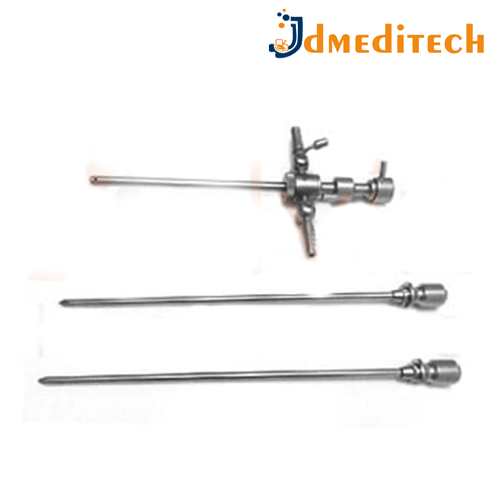
An SS Spinal Trocar Sleeve is a surgical stainless steel (SS) instrument used in spinal procedures to provide a stable access port through which other instruments (like biopsy needles, endoscopes, or dilators) can be inserted into the spine safely and accurately.
Features:
Made from high-grade stainless steel for durability and sterilizability
Consists of a sharp-tipped trocar (obturator) and a hollow sleeve (cannula)
Reusable and autoclavable
Designed for minimal tissue trauma
Uses:
Provides access for spinal biopsy, disc procedures, or minimally invasive spinal surgeries
Guides and stabilizes the insertion of surgical tools
Helps reduce tissue displacement and improve procedural accuracy
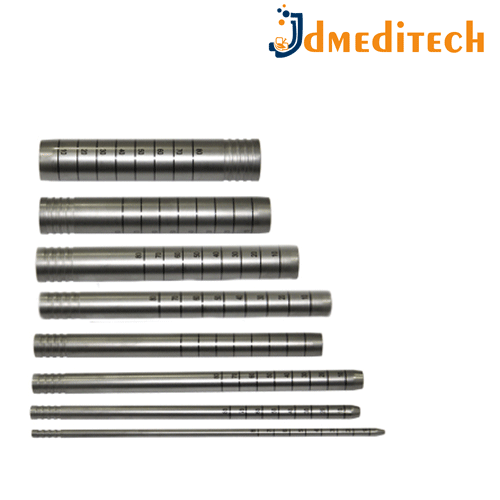
A Spine Dilator is a surgical instrument used in minimally invasive spine surgery (MISS) to gently and progressively dilate muscle and tissue layers to create a working channel to the spine without cutting through them.
Features:
Tapered, cylindrical design
Available in graduated sizes for sequential dilation
Made from surgical-grade stainless steel or polymer
Smooth surface to minimize tissue trauma
Often used with a tubular retractor system
Uses:
Helps access the spinal column with minimal tissue disruption
Used in procedures like microdiscectomy, laminectomy, and fusion surgeries
Reduces muscle damage, pain, and recovery time compared to open surgery
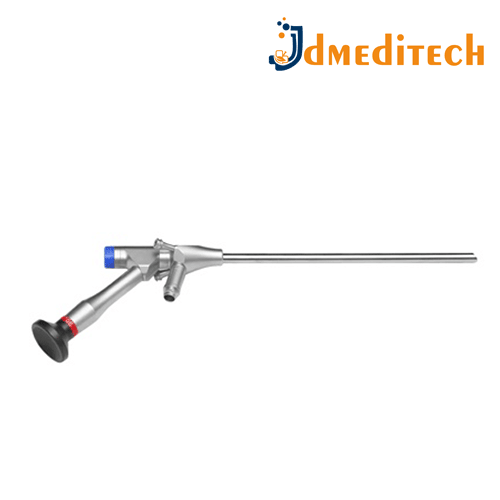
A Spine Endoscope is a specialized medical instrument used for minimally invasive spinal surgeries. It allows surgeons to visualize and treat spinal conditions through small incisions using a high-resolution camera and narrow surgical tools.
Features:
Slim, tubular design for minimal tissue damage
High-definition camera for clear internal views
Working channels for micro-instruments
Integrated irrigation for clear visualization
Reusable or single-use models available
Uses:
Treatment of herniated discs, spinal stenosis, and degenerative disc disease
Allows precise surgical access to the spine with less trauma
Used in endoscopic discectomy, foraminoplasty, and spinal decompression procedures
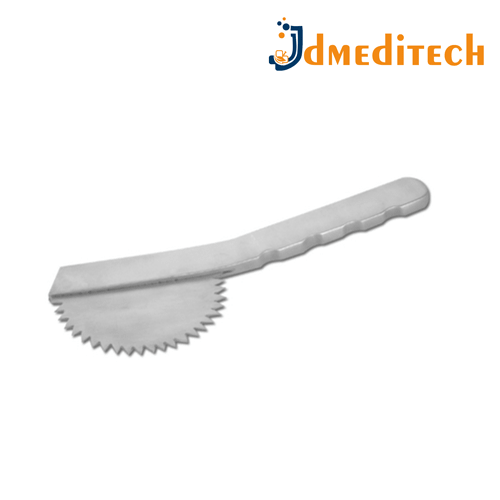
A Manual Plaster Cutter is a hand-operated medical tool used to remove orthopedic casts made of plaster.
Features:
Serrated or circular cutting blade
Handheld and manually operated (no electricity required)
Often includes a protective guard to prevent skin injury
Lightweight and portable
Uses:
Cutting and removing plaster casts in settings without power supply
Ideal for fieldwork, emergency use, or in low-resource environments
Safe for use with plaster (not fiberglass) materials
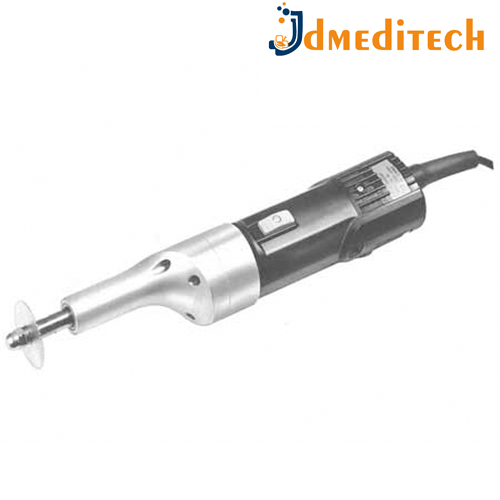
An Electric Plaster Cutter is a medical device used to safely and efficiently remove orthopedic casts made of plaster or fiberglass.
Features:
Oscillating blade that cuts hard cast material but is gentle on skin
Electric-powered motor for consistent cutting performance
Ergonomic handle for comfort and control
Some models include dust extraction ports to reduce mess
Interchangeable blades for different materials
Uses:
Removal of plaster or fiberglass orthopedic casts
Commonly used in orthopedic clinics, hospitals, and rehabilitation centers
Ensures precise and safe removal without harming the patient
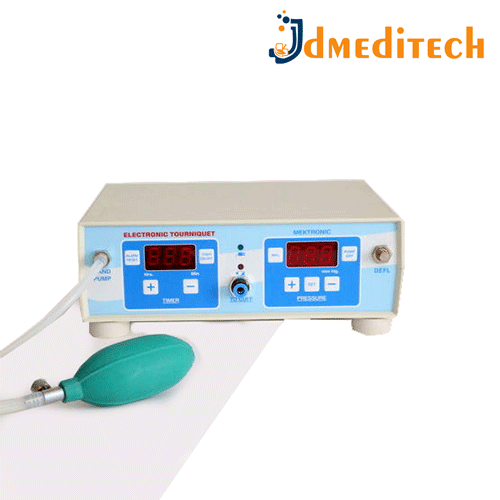
Digital Tourniquets are specialized devices used to temporarily stop blood flow to fingers or toes (digits) during surgical or medical procedures.
Features:
Simple ring or band-type design (silicone or elastic)
Manual or pressure-controlled application
Available in various sizes for different digits
Sterile and single-use or reusable types
Uses:
Provides a bloodless surgical field for minor surgeries or wound treatment on fingers/toes
Common in hand and foot surgeries, nail removal, and laceration repair
Helps improve visibility and reduces bleeding during delicate procedures
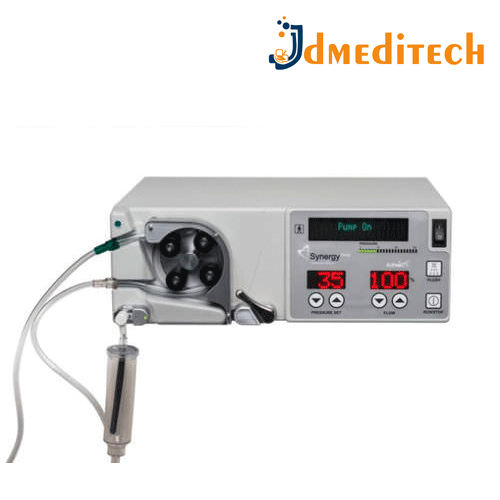
Arthroscopy Irrigation Pump is a medical device used during arthroscopic surgeries to control the flow and pressure of sterile fluid into the joint.
Features:
Regulates continuous fluid inflow and outflow
Adjustable pressure and flow rate
Digital display and control panel
Compatible with saline or other sterile fluids
Uses:
Maintains clear visibility by flushing blood/debris
Expands joint space for better access
Commonly used in knee, shoulder, and other joint arthroscopies
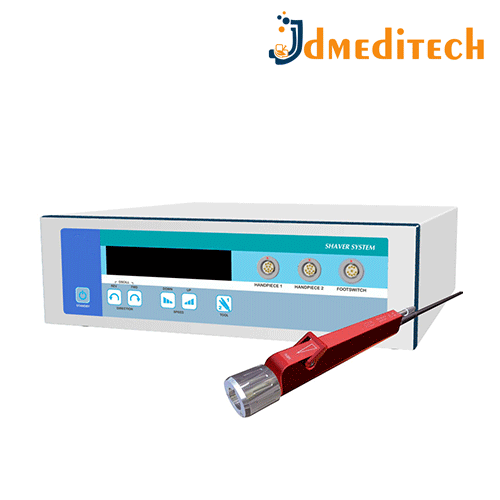
Arthroscopy Shaver Systems are powered surgical devices used in arthroscopic procedures to cut, shave, debride, and remove soft tissue or bone fragments within a joint.
Features:
Motorized handpiece with various interchangeable shaver blades
Precise speed and torque control
Integrated suction for debris removal
Compatible with irrigation systems for clear joint visualization
Ergonomic design for ease of use
Uses:
Trimming damaged cartilage or soft tissues
Debriding inflamed or scarred joint tissue
Removing loose bone or cartilage fragments
Commonly used in knee, shoulder, hip, and ankle arthroscopy
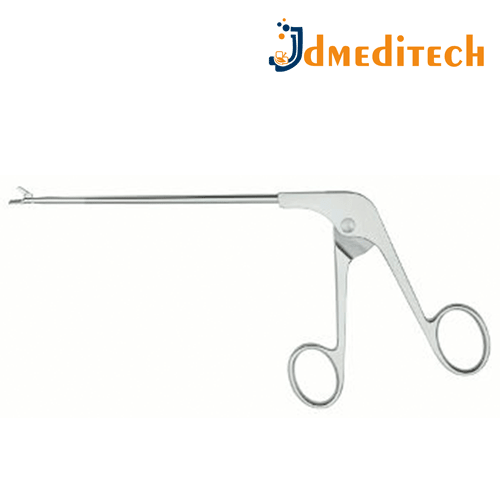
Arthroscopy Forceps are specialized surgical instruments used during arthroscopic procedures to grasp, cut, or remove tissues inside joints.
Features:
Long, slender shaft to reach inside joints
Available in various tip designs (grasping, punch, biopsy, etc.)
Made of surgical-grade stainless steel
Some models have rotating shafts for better maneuverability
Uses:
Grasping or removing torn cartilage or loose bodies
Taking tissue biopsies
Performing precision cutting or trimming inside joints (like meniscus or labrum)
Commonly used in knee, shoulder, elbow, and hip arthroscopy