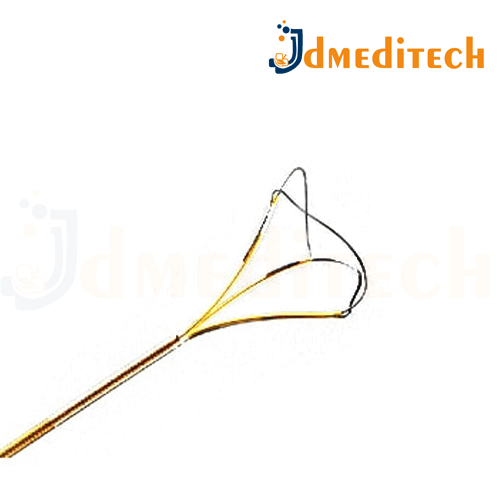
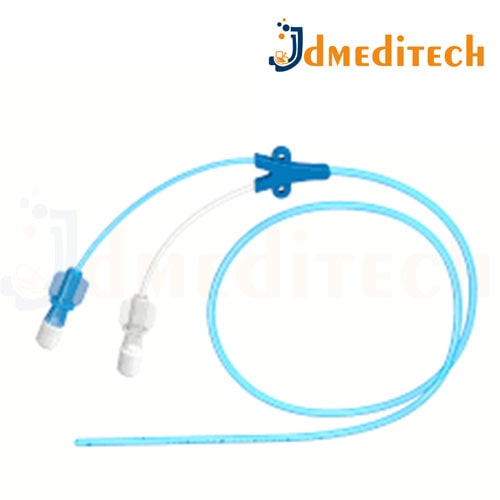
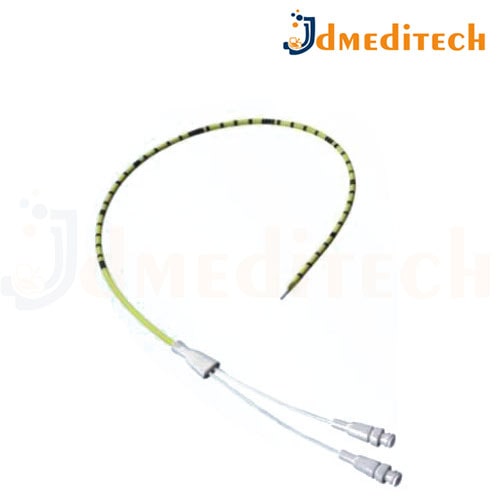
A Forcep Basket is a urological device combining a basket and forcep mechanism to retrieve stones or foreign bodies from the urinary tract.
Features:
Combines grasping and holding functions
Made of stainless steel or nitinol wires
Flexible or semi-rigid shaft for navigation
Atraumatic tips for safe use
Uses:
Used in endoscopic stone retrieval from kidney, ureter, or bladder
Ideal for securely gripping and removing stones during URS or PCNL procedures
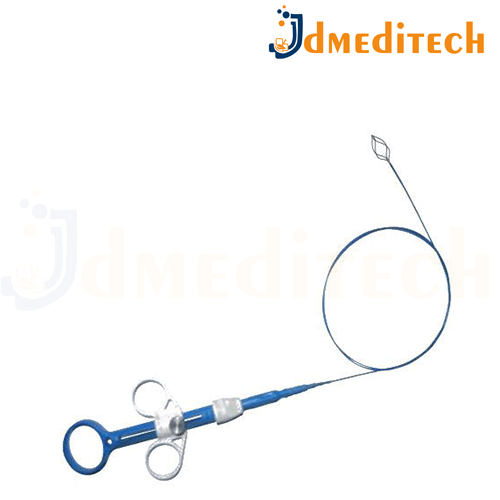
An SS (Stainless Steel) Stone Retrieval Basket is a medical device used in urology to grasp and remove urinary stones from the kidney, ureter, or bladder during endoscopic procedures.
Features:
Made from stainless steel for strength and durability
Rigid or semi-rigid basket with 3 or 4 wires for effective stone capture
Reusable and sterilizable design
Smooth, atraumatic tips to reduce tissue trauma
Compatible with ureteroscopes and nephroscopes
Uses:
Used in stone retrieval during URS (Ureterorenoscopy) or PCNL (Percutaneous Nephrolithotomy)
Helps in grasping and extracting calculi from the urinary tract
Suitable for use in both diagnostic and therapeutic urological procedures
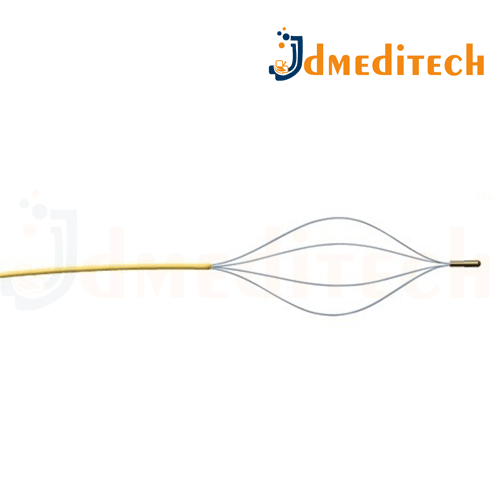
A Nitinol Stone Retrieval Basket is a flexible and durable tool used in endoscopic procedures to capture and remove stones from the urinary tract.
Features:
Made from Nitinol, a flexible and durable material
Expandable basket to capture stones effectively
Radiopaque for easy visualization during imaging
Atraumatic tips to minimize injury to surrounding tissues
Uses:
Used in stone removal procedures like URS and PCNL
Retrieves stones from the kidney, ureter, or bladder
Ideal for minimally invasive surgeries for treating kidney stones
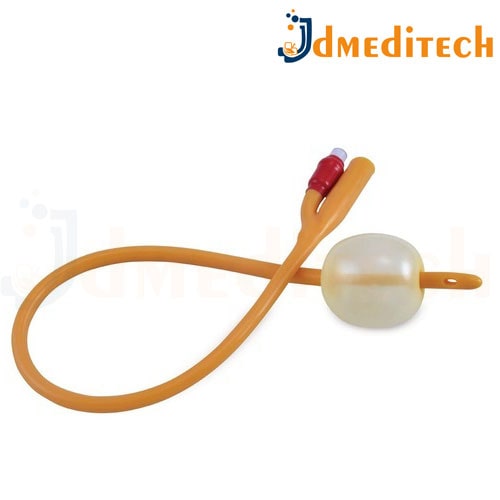
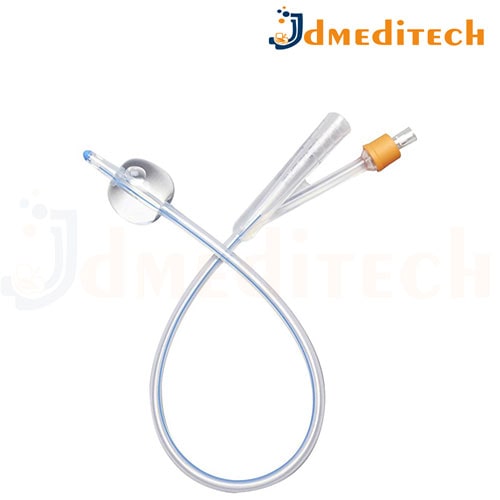
A Foley Balloon Catheter is an indwelling urinary catheter inserted into the bladder to continuously drain urine, held in place by an inflatable balloon at the tip.
Key Features:
Inflatable balloon (usually 5–30 mL) to secure the catheter inside the bladder
2-way or 3-way design:
2-way: for urine drainage and balloon inflation
3-way: adds a port for bladder irrigation
Made from latex, silicone, or silicone-coated latex
Available in multiple sizes (commonly 6–26 French)
Sterile, soft, and flexible for patient comfort
Uses:
Continuous urinary drainage in patients with urinary retention or during/after surgery
Bladder irrigation (in 3-way models) in cases like hematuria
Used in hospital, ICU, or long-term care settings
A Silicone Foley Catheter is a flexible, indwelling urinary catheter made of biocompatible silicone that is inserted into the bladder to drain urine continuously over a period of time.
Key Features:
Made of 100% medical-grade silicone – ideal for long-term use
Inflatable balloon at the tip (5–30 mL) to hold catheter in place
Multiple lumens: 2-way (urine drainage and balloon inflation) or 3-way (plus irrigation)
Clear, non-reactive material reduces risk of allergies and encrustation
Size range: Commonly 6 Fr to 26 Fr
Uses:
Used in urinary retention, surgical procedures, or chronic bladder drainage
Preferred in patients with latex allergies
Common in ICU, postoperative care, and long-term catheterization
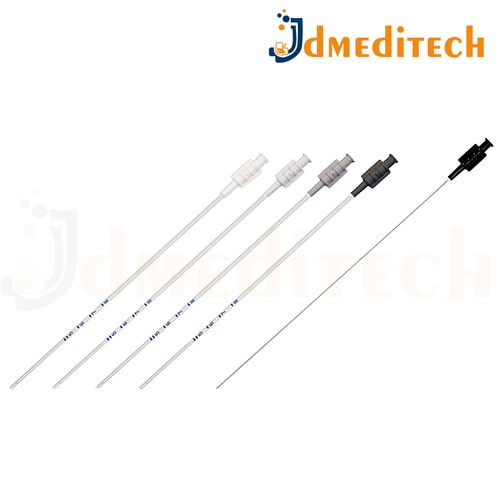
An Intrauterine Insemination (IUI) Catheter is a thin, flexible medical device used to deliver prepared sperm directly into the uterus during IUI fertility procedures to increase the chances of conception.
Key Features:
Made from soft, flexible medical-grade plastic
Smooth, rounded tip for gentle insertion through the cervix
Varied lengths and diameters for patient comfort
Transparent tubing for visibility of sperm sample
Sterile, single-use to prevent infection
Uses:
Used in assisted reproductive technology (ART), especially in IUI procedures
Helps bypass the cervix to place sperm closer to the egg, increasing fertilization chances
Common in cases of unexplained infertility, low sperm motility, or donor insemination
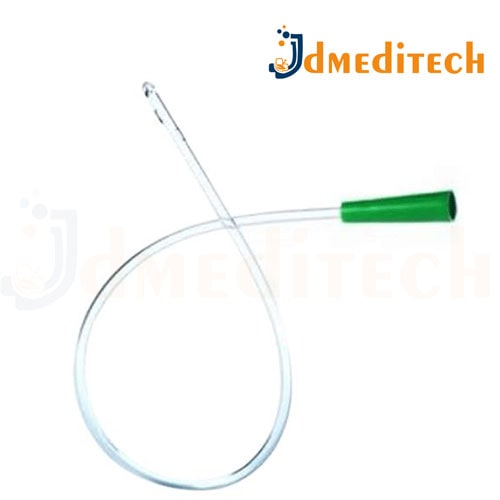
A Clean Intermittent Catheter (CIC) is a thin, flexible tube used to empty the bladder manually at regular intervals, especially in patients with urinary retention, neurogenic bladder, or incomplete bladder emptying.
Key Features:
Single-use, sterile, and pre-lubricated (or dry-coated)
Made from PVC, silicone, or hydrophilic material
Available in various lengths and diameters for men, women, and children
Designed for self-catheterization or caregiver-assisted use
Smooth, rounded tip for comfortable insertion
Uses:
Maintains bladder health and function in individuals unable to urinate naturally
Prevents urinary tract infections and kidney damage from urine retention
Common in conditions like spinal cord injuries, multiple sclerosis, or post-surgical recovery
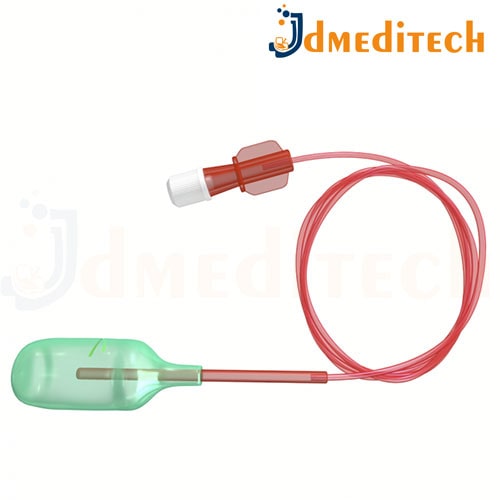
A Rectal Balloon Catheter is a flexible tube with an inflatable balloon at the tip, inserted into the rectum for diagnostic or therapeutic purposes such as manometry, enemas, or controlling fecal incontinence or bleeding.
Key Features:
Inflatable balloon tip for secure placement and pressure application
Made of soft, medical-grade silicone or latex
Multiple lumen options for air, fluid, or pressure monitoring
Graduated markings for depth placement
Sterile, single-use or reusable versions available
Uses:
Used in anorectal manometry to assess rectal pressure and function
Helps retain enemas or medications in the rectum
Controls rectal bleeding or fecal incontinence
Assists in post-surgical care or radiologic exams
A Urodynamic Catheter is a specialized medical device used to measure pressure and flow within the bladder and urethra during urodynamic studies. These studies help diagnose problems like urinary incontinence, bladder dysfunction, or voiding disorders.
Key Features of Urodynamic Catheter
Function – Measures bladder pressure, urethral pressure, and urine flow during testing.
Lumen Types – May have one or more lumens for pressure monitoring, fluid infusion, or urine flow measurement.
Tip Design – Soft, rounded tip for atraumatic insertion into the urethra or rectum.
Sensor Types – Some have built-in pressure sensors (microtip catheters), while others connect to external transducers.
Size Range – Typically 6 Fr to 10 Fr for patient comfort and accurate measurements.
Material – Made of flexible silicone or PVC, biocompatible and sterile.
Radiopaque – Some models are X-ray visible for placement verification.
Single-Use – Supplied sterile and disposable to prevent infection.
Common Uses in Urodynamic Testing
Cystometry (CMG) – Measures how much the bladder can hold and how well it fills and empties.
Pressure-Flow Studies – To assess bladder outlet obstruction or weak bladder muscles.
Urethral Pressure Profilometry (UPP) – Evaluates the strength of the urethral sphincter.
EMG Integration – Used alongside electromyography for neurological bladder studies.
A Urology Dual Lumen Catheter is a specialized catheter with two separate channels (lumens) used for simultaneous urine drainage and fluid administration or pressure monitoring, primarily in urological procedures.
Key Features:
Two lumens:
One for urine drainage
One for irrigation, medication delivery, or pressure measurement
Made of medical-grade silicone or PVC
Sterile, flexible, and available in various sizes
Designed to reduce the need for multiple catheters
Minimizes trauma and infection risk
Uses:
Used in urological diagnostics and treatments, including:
Bladder irrigation
Urodynamic studies
Post-surgical urine drainage
Ideal for patients with complex urinary conditions