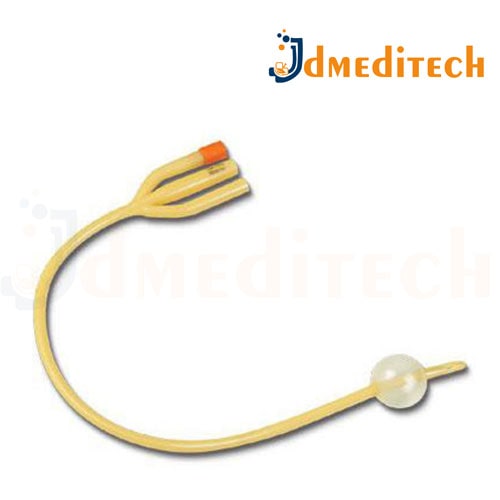
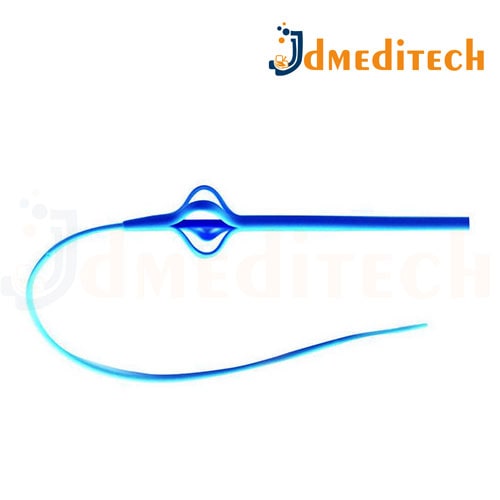
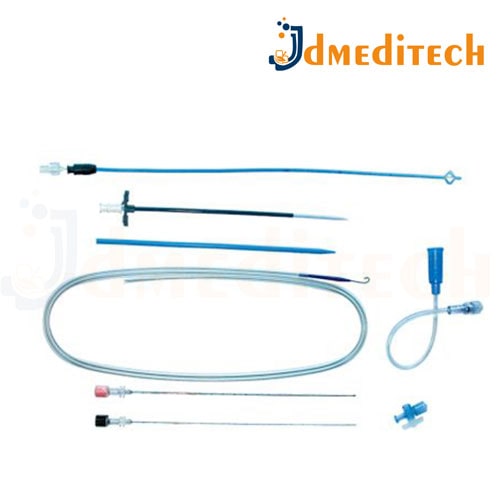
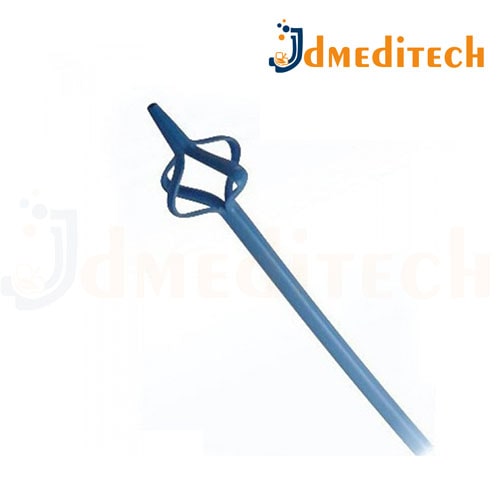
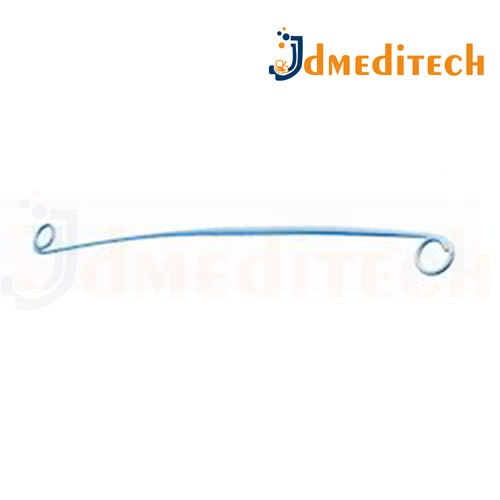
A Urethral Catheter is a thin, flexible tube inserted through the urethra into the bladder to drain urine, either temporarily or for extended periods.
Key Features:
Made from latex, silicone, or PVC
Available in intermittent (short-term) or indwelling (Foley) types
Variety of sizes (measured in French units) for male, female, and pediatric use
Smooth, rounded tip for easier insertion
May be straight or curved (Coude tip) depending on anatomy and condition
Uses:
Relieves urinary retention
Monitors urine output in critical care or surgery
Used for clean intermittent catheterization (CIC)
Assists in procedures like urodynamic studies or bladder irrigation
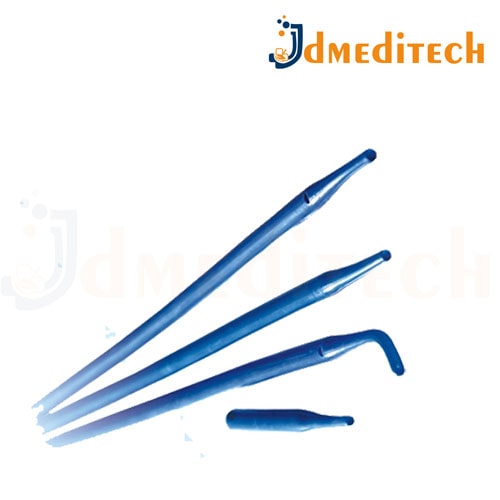
A Ureteric Catheter (also called a ureteral catheter) is a thin, flexible tube used to access, drain, or diagnose the ureter—the tube that connects the kidney to the bladder. It is commonly used in urology for urine drainage, dye injection, or stenting during procedures like ureteroscopy, pyeloplasty, or stone management.
Key Features of a Ureteric Catheter
Material – Made of radiopaque polyurethane, polyethylene, or silicone—biocompatible and flexible.
Tip Type – Straight or J-shaped (curved) to ease insertion and positioning.
Size – Usually ranges from 3 Fr to 8 Fr in diameter; length ~ 70–90 cm.
Radiopaque Line – Visible on X-ray or fluoroscopy for accurate placement.
End Holes – One or multiple openings at the tip for urine flow or contrast injection.
Sterility – Supplied sterile and single-use.
Connector End – Proximal end may have a universal connector for syringe or drainage bag.
Uses in Medical Procedures
Ureteral Stenting – To relieve obstruction or guide stone removal.
Retrograde Pyelography – Injecting contrast dye to visualize the ureter and renal pelvis.
Urine Drainage – From the kidney to the bladder when natural flow is blocked.
Ureter Identification – During complex pelvic surgeries (e.g., gynecological or colorectal).
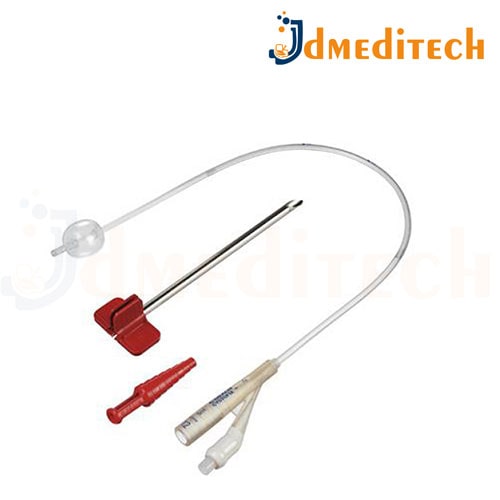
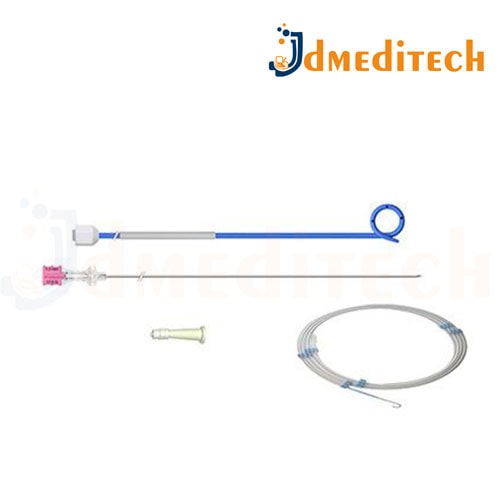
A Suprapubic Catheter Set is a medical kit used to insert a suprapubic catheter, a tube placed directly into the bladder through the abdomen to drain urine.
Features:
Includes:
Suprapubic catheter (usually with a balloon for secure placement)
Trocar or needle for catheter insertion
Guide wire for accurate placement
Sterile components for safe use
Made of biocompatible material (silicone or polyurethane)
Radiopaque for imaging guidance during insertion
Uses:
Used in patients with urethral obstruction or injury
Provides long-term urinary drainage when urethral catheters are unsuitable
Commonly used after bladder surgeries or when urethral catheterization is difficult
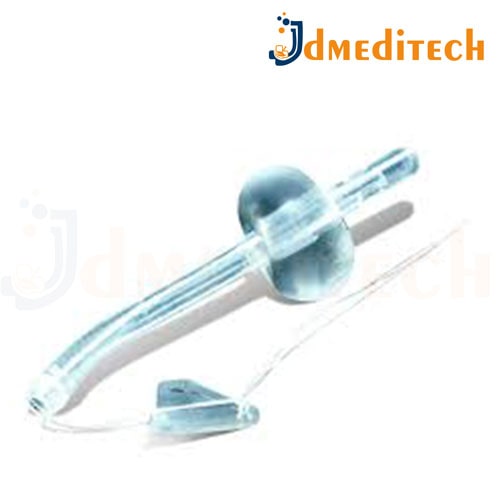
A Prostatic Stent is a medical device inserted into the prostate to maintain urinary flow in cases where the urethra is obstructed, often due to benign prostatic hyperplasia (BPH) or prostate cancer.
Features:
Made from biocompatible materials like silicone or polyurethane
Flexible and soft for comfort
Radiopaque for easy visualization during insertion
Retains shape to ensure continued patency of the urethra
Uses:
Relieves urethral obstruction caused by enlarged prostate or tumors
Used when other treatment options, such as surgery or medication, are not suitable
Helps to maintain urine flow and reduce symptoms of urinary retention
A Re-Entry Malecot Nephrostomy Catheter is a specialized nephrostomy tube with a Malecot (flower-shaped) tip and an additional re-entry port, designed for both drainage and future access to the kidney during follow-up procedures.
Features:
Malecot tip: Ensures secure placement and efficient drainage
Re-entry port/channel: Allows access for guide wires or secondary interventions (e.g., stent placement)
Radiopaque: Visible under fluoroscopy or X-ray
Made from soft, biocompatible material (latex or silicone)
Multiple sizes and lengths available
Uses:
Provides urine drainage from the renal pelvis in cases of obstruction
Allows re-access to the urinary tract without needing a new puncture
Common in urology and interventional radiology, especially in staged procedures or long-term management
A Malecot Catheter Kit is a complete sterile set used for performing a percutaneous nephrostomy, specifically using a Malecot-tip catheter for secure and long-term urinary drainage from the kidney.
Features:
Includes:
Malecot catheter (with flower-shaped tip for anchoring)
Trocar or introducer needle
Guide wire
Dilators
Connector tubing or drainage bag adapter
Made of biocompatible, radiopaque materials
Sterile, ready-to-use packaging
Uses:
For urinary diversion in cases of ureteral obstruction, tumors, trauma, or infection
Ideal for long-term percutaneous drainage from the renal pelvis
Commonly used in urology and interventional radiology procedures
A Malecot Nephrostomy Catheter is a tube used to drain urine directly from the kidney when normal flow through the ureter is obstructed. It has a distinctive winged (flower-like) tip for secure placement.
Features:
Malecot flower-shaped tip for anchorage in the renal pelvis
Made of soft, biocompatible material (e.g., latex or silicone)
Large drainage lumen for effective urine flow
Radiopaque for easy imaging guidance
Uses:
Used in percutaneous nephrostomy procedures
Ideal for long-term urinary drainage from kidney to external bag
Helpful in cases of hydronephrosis, tumors, stones, or ureteral injury
An Endopyelotomy Stent is a specially designed ureteral stent used after an endopyelotomy procedure, which treats ureteropelvic junction (UPJ) obstruction by making an incision to improve urine flow from the kidney to the ureter.
Features:
Longer length than standard DJ stents
J or curl ends to prevent migration
Often has a tapered or reinforced mid-section to support the UPJ area
Made from biocompatible, radiopaque material (e.g., silicone or polyurethane)
Uses:
Maintains patency of the ureteropelvic junction post-endopyelotomy
Facilitates healing and urine drainage
Reduces risk of stricture recurrence or blockage
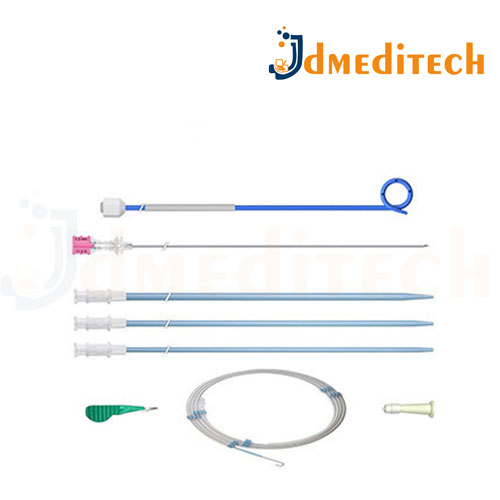
A PCN Catheter Kit is a complete sterile set used for performing Percutaneous Nephrostomy (PCN) to drain urine directly from the kidney when the ureter is blocked.
Features:
Includes:
PCN catheter (usually pigtail or Malecot tip)
Trocar or introducer needle
Guide wire
Dilators
Drainage bag connector
Radiopaque components for imaging guidance
Ready-to-use, sterile packaging
Uses:
For urine drainage from the kidney in ureteral obstruction, tumors, or trauma
Used in emergency care or pre-surgical decompression
Supports renal function and prevents hydronephrosis
A PCN Catheter is a thin, flexible tube inserted through the skin into the renal pelvis of the kidney to allow urine drainage when the normal flow is blocked.
Features:
Made of medical-grade polyurethane or silicone
Designed with pigtail or Malecot tip to prevent dislodgment
Often includes locking mechanism to secure position
Radiopaque for clear imaging during placement
Uses:
Provides temporary urinary drainage in cases of ureteral obstruction, tumors, or injury
Used in emergency or pre-surgical urological care
Helps relieve hydronephrosis (swelling of the kidney) due to urine buildup