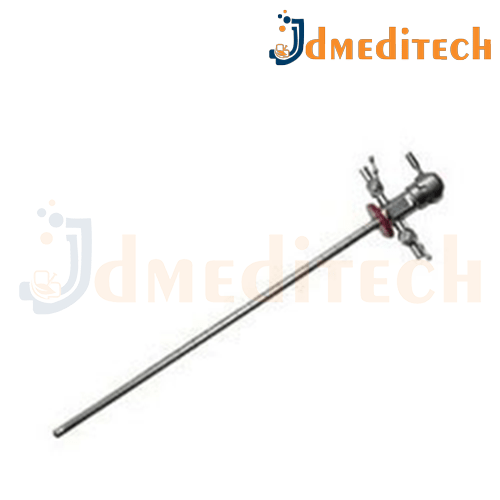
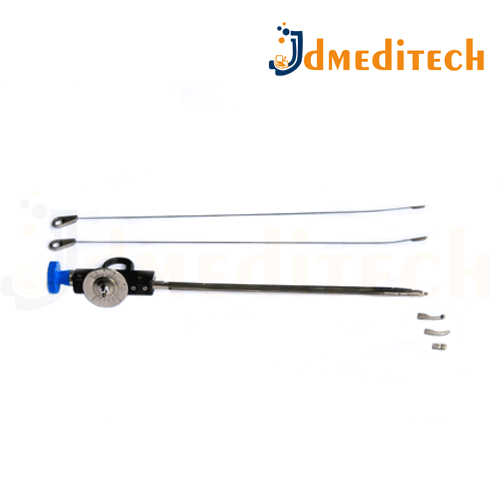
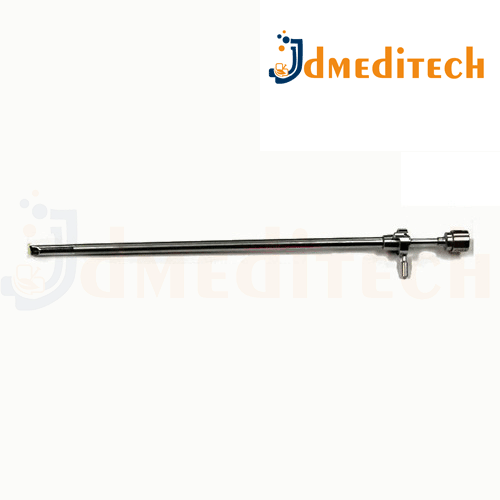
A cystoscope sheath is a protective outer component of a cystoscope, designed to facilitate safe and effective access to the urethra and bladder during cystoscopic procedures. It plays a key role in instrument passage, fluid flow, and patient comfort.
We are a leading manufacturer and exporter of Cystoscope Sheaths which are designed to perform all cystoscope Procedures. The cystoscope sheath comes with obturator. cystoscope sheath also called as Ureteroscope Sheath, Cystoscopy Sheath.
1. Protective Outer Tube
Encases and protects the cystoscope during insertion.
Reduces the risk of injury to the urethra and scope.
Provides structural support for the scope.
2. Obturator Compatibility
Most sheaths are used with an obturator (a blunt-tipped inner guide).
The obturator facilitates smooth and safe entry into the urethra.
Removed once the sheath is in position.
3. Irrigation Ports / Channels
Designed with inflow and/or outflow ports for irrigation fluids (usually saline).
Keeps the bladder distended and the field of view clear.
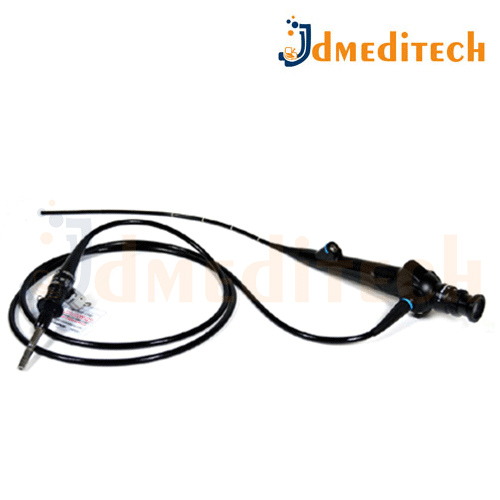
A Urology Flexible Cystoscope is a thin, bendable endoscopic instrument used to examine the urethra, bladder, and prostate in a minimally invasive way.
Key Features:
Flexible shaft for easier navigation through curved urethra
High-resolution camera with fiber optics or digital imaging
Working channel for instruments (forceps, stents, etc.)
Irrigation port for clear visibility
Lightweight, ergonomic design for patient comfort
Sterilizable or disposable options available
Uses:
Diagnose urinary tract issues (e.g., stones, tumors, strictures)
Perform biopsies, foreign body removal, or stent placement
Ideal for male patients due to flexibility around the prostate
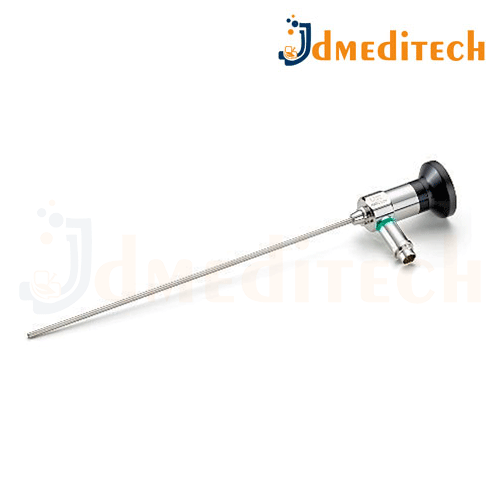
The Urology Rigid Cystoscope is used for both diagnostic and therapeutic procedures involving the lower urinary tract—primarily the bladder and urethra. A urology rigid cystoscope is a medical instrument used primarily in urology to visually examine the inside of the urinary bladder and urethra. Here’s a quick breakdown of what it is and how it’s used
Primary Uses of a Rigid Cystoscope
1. Diagnostic Uses
Hematuria Evaluation: To investigate blood in the urine.
Bladder Tumor Detection: Identify and assess tumors or abnormal growths.
Urethral Stricture Diagnosis: Examine for narrowing or blockage in the urethra.
Recurrent Urinary Tract Infections (UTIs): Check for underlying bladder issues.
Bladder Stones: Identify presence, size, and location.
2. Therapeutic Uses
Biopsy: Take tissue samples from suspicious areas (e.g., tumors).
Tumor Resection: Remove bladder tumors using electrocautery or laser via working channels.
Stone Removal: Extract bladder stones using forceps or lithotripsy tools.
Foreign Body Removal: Retrieve objects accidentally introduced into the bladder.
Stent Placement/Removal: Guide and manipulate ureteral stents.
Urethral Stricture Treatment: Perform direct vision internal urethrotomy (DVIU).
Botox Injection: For overactive bladder treatment.
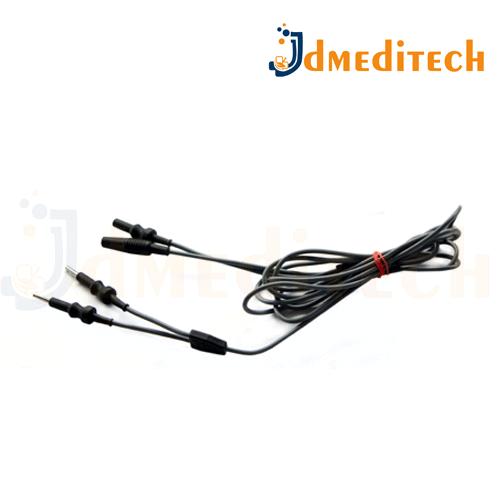
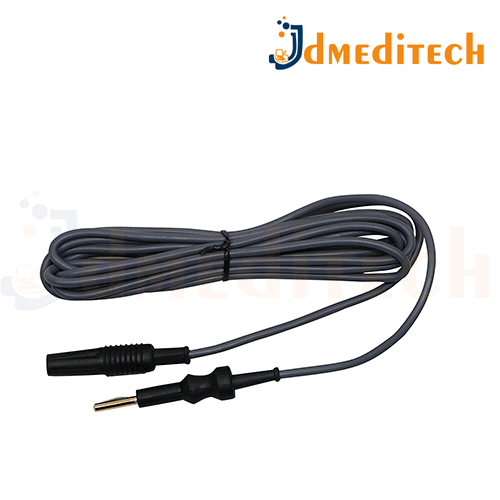
The Bipolar TURP Cable – Single Stem is a specialized electrosurgical cable that connects the bipolar TURP (Transurethral Resection of Prostate) instrument to the energy source, allowing safe and efficient resection of prostatic tissue.
Key Features:
Single stem design for streamlined connection
Compatible with bipolar resectoscopes
Heat-resistant insulation for safety
Provides stable and controlled energy delivery
Durable connectors to prevent energy loss or malfunction
Uses:
Used in bipolar TURP procedures for treating benign prostatic hyperplasia (BPH)
Transmits bipolar electrical energy to the loop electrode for cutting/coagulating prostate tissue
Offers safer performance in saline medium compared to monopolar systems
A Monopolar TURP Cable – Single Steam is a specialized electrosurgical cable used in Transurethral Resection of the Prostate (TURP) procedures with monopolar energy systems.
Features:
Single steam (channel) cable design
Connects the monopolar resectoscope to the electrosurgical unit (ESU)
Provides controlled electrical current for cutting and coagulation
Durable insulation for safe transmission of energy
Compatible with standard monopolar TURP loops
Uses:
Used during monopolar TURP surgeries to treat benign prostatic hyperplasia (BPH)
Enables resection and coagulation of prostate tissue via electrical energy
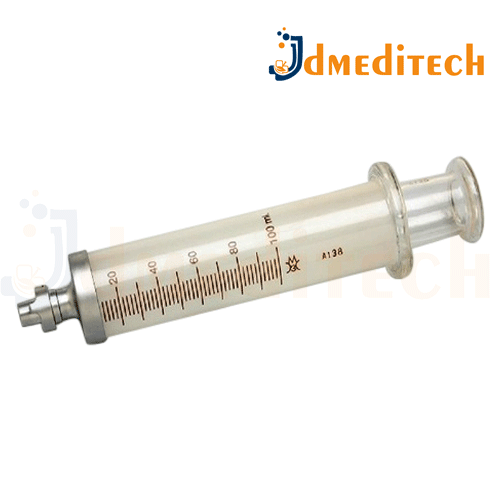
A TURP Glass Syringe is a large-capacity, reusable glass syringe used primarily during TURP (Transurethral Resection of the Prostate) procedures. Its main function is to manually irrigate the bladder or remove clots, debris, and tissue fragments during or after endoscopic urological surgeries.
Key Features of TURP Glass Syringe
Borosilicate Glass Body – Made of heat- and chemical-resistant glass for safe reuse and sterilization.
Large Volume (50ml–100ml) – Designed to handle large fluid volumes needed for TURP flushing and suction.
Reusable and Autoclavable -Built for multiple uses with proper sterilization.
Catheter Tip or Luer Lock – Connects securely with catheters or irrigation tubing.
Clear Visibility – Transparent body for easy monitoring of fluid or clot removal.
Smooth Plunger Mechanism – Ensures easy, controlled suction and flushing.
Graduated Markings – Volume indicators for precise fluid measurement and control.
Common Uses in Urology:
During TURP surgery – To flush out and remove blood clots or tissue fragments.
Post-operative care – For bladder irrigation to prevent clot retention.
Bladder washouts – In catheterized patients needing manual flushing.
Benefits:
Clear visualization of fluids
Strong manual suction power
Safe for repeated surgical use
More durable than plastic alternatives
A Plastic Ellic Bottle is a manual urology irrigation and suction device used mainly during or after TURP (Transurethral Resection of the Prostate) and similar urological procedures. It is designed to flush the bladder and remove clots or tissue debris manually by creating pressure or suction when squeezed.
Key Features of Plastic Ellic Bottle:
Durable Plastic Body Made from high-quality, squeezable, medical-grade plastic.
Dual Function Used for both irrigation (flushing) and suction (removing fluid/clots).
Large Capacity Typically 250 ml to 500 ml, ideal for TURP procedures.
Universal Nozzle Compatible with most catheters and urology tubing systems.
Ergonomic Design Easy to squeeze and operate with one hand during surgery or bedside care.
Reusable or Disposable Available in both variants, depending on hospital protocols.
Graduated Markings Volume indicators printed for precise fluid control.
Common Medical Uses:
Bladder irrigation post-TURP
Blood clot or tissue removal from the bladder
Manual bladder washouts in catheterized patients
Benefits:
Lightweight and unbreakable
Easy to operate—no power or complex setup required
Cost-effective and practical for surgical and ward use
Transparent body allows clear view of fluids
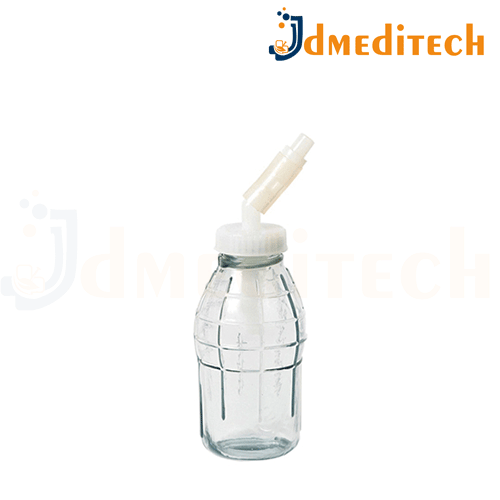
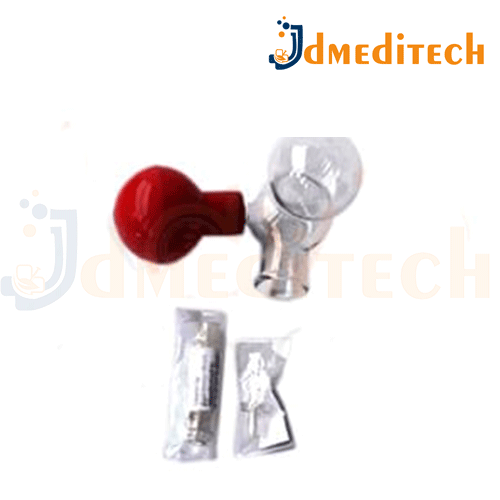
A Glass Ellic Bottle is a manual bladder irrigation and suction device used in urological surgeries, especially during or after TURP (Transurethral Resection of the Prostate). It helps in flushing out blood clots, tissue fragments, and fluids from the urinary bladder. Made of medical-grade borosilicate glass, it is reusable and designed for clear visibility and durability.
Key Features of Glass Ellic Bottle
Borosilicate Glass Body – Heat-resistant and chemically stable, suitable for sterilization and reuse.
Irrigation & Suction Use – Manually flushes and evacuates fluids, clots, or debris from the bladder.
High Capacity – Typically holds 250 ml to 500 ml of fluid—suitable for surgical irrigation.
Universal Connector Tip – Compatible with standard urology catheters and tubing.
Reusable and Autoclavable – Can be sterilized for repeated use, reducing hospital waste.
Clear Visibility – Transparent body for easy monitoring of fluid and clot removal.
Ergonomic Hand Operation – Easy to use with one hand; some models include a pump-style mechanism.
Common Applications:
TURP (prostate surgery)
Post-operative bladder irrigation
Cystoscopic procedures
Manual bladder washouts
Benefits:
Durable and long-lasting
Provides excellent visibility of fluid movement
Ideal for hospitals with sterilization facilities
Cost-effective over time due to reusability
An OTIS Urethrotome is a surgical instrument used to incise and widen urethral strictures (narrowed portions of the urethra), especially in male patients, through a controlled internal cut.
Key Features:
Blade with adjustable depth for precise cutting
Smooth metal shaft for easy insertion into the urethra
Graduated scale for accurate measurement and dilation
Reusable and sterilizable
Designed for internal urethrotomy
Uses:
Treat urethral strictures by making a controlled incision
Used in internal urethrotomy procedures (Otis urethrotomy)
Helps restore normal urine flow and reduce obstruction
A TURP Visual Obturator is a urological instrument used during TURP (Transurethral Resection of the Prostate) procedures. It is specifically designed to help insert the resectoscope sheath into the bladder under direct vision using a telescope (endoscope). This prevents injury to the urethra and bladder during initial instrument placement.
Key Features of TURP Visual Obturator
Visual Entry Function Allows insertion of sheath under endoscopic (visual) guidance.
Rounded, Smooth Tip Minimizes trauma to the urethra and bladder during insertion.
Telescope Compatible Designed to hold a telescope (usually 0°) for real-time viewing.
Durable Stainless Steel Body Made of surgical-grade materials, resistant to corrosion.
Reusable & Sterilizable Autoclavable and designed for repeated use in operating theatres.
Size Matched to Sheath Comes in sizes compatible with standard resectoscope sheaths (e.g. 24 Fr, 26 Fr).
Used In:
TURP (Transurethral Resection of the Prostate)
Cystoscopic procedures requiring precise sheath placement
Situations where blind insertion could cause injury
Benefits:
Safer and more accurate sheath insertion
Reduces risk of trauma to the urethra or bladder
Essential for precise start to TURP procedure
Saves time during setup by ensuring smooth passage