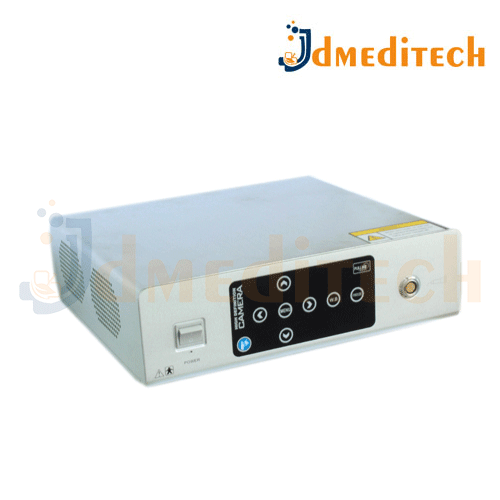
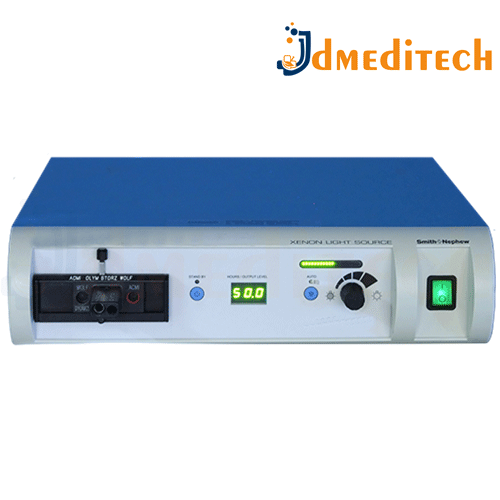
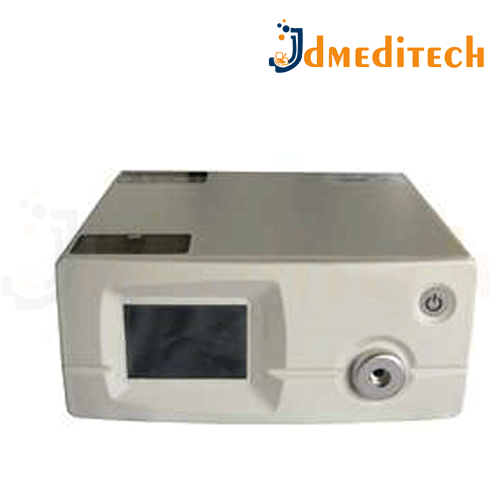
HD Camera System is a high-resolution medical imaging device used in minimally invasive surgeries such as laparoscopy, endoscopy, hysteroscopy, urology, ENT, and arthroscopy. It captures real-time, high-definition (HD) video from inside the patient’s body through an endoscope and displays it on a monitor, helping surgeons operate with greater precision and visibility.
Key Features of an HD Camera System:
HD/Full HD Image Quality – Delivers sharp, detailed visualization for accurate diagnosis and surgery.
LED or Xenon Light Source – Provides bright, uniform illumination for clear viewing of internal tissues.
Camera Control Unit (CCU) – Allows adjustment of image settings like brightness, contrast, and focus.
Digital Zoom & Autofocus – Enhances magnification and image clarity automatically.
Live Video Output to Monitor – Displays the surgical view in real time for the entire medical team.
Recording & Storage Option – Enables video capture for documentation, teaching, and case review.
Compatibility with Scopes – Connects with various rigid or flexible endoscopes.
Used In:
Laparoscopic Surgery
Gynecology (e.g., hysteroscopy)
Urology (e.g., cystoscopy, TURP)
ENT Procedures
Orthopedics (e.g., arthroscopy)
Gastrointestinal Endoscopy
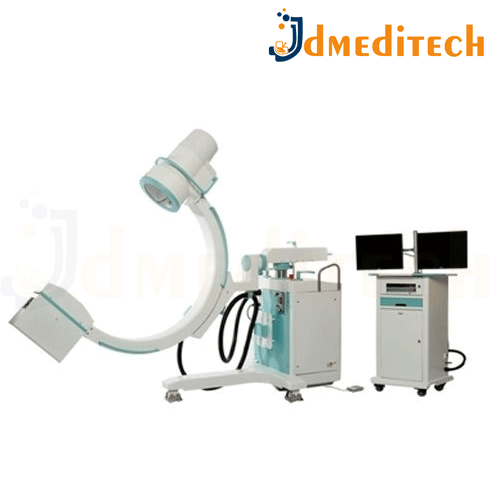
A Urology C-Arm is a specialized fluoroscopy imaging system used in urological procedures to provide real-time X-ray imaging, enabling precise guidance during surgeries such as stone removal, stent placements, and endoscopic interventions.
Key Features:
C-shaped arm allows flexible positioning around the patient
Real-time X-ray imaging for high accuracy
Digital fluoroscopy and radiography functions
Some models include flat panel detectors for enhanced clarity
Compatible with ESWL, PCNL, URS, and TURP procedures
Uses:
Guided placement of stents or catheters
Stone localization during lithotripsy
Assisting in PCNL, RIRS, and ureteroscopy
Monitoring during endoscopic and laparoscopic urological procedures
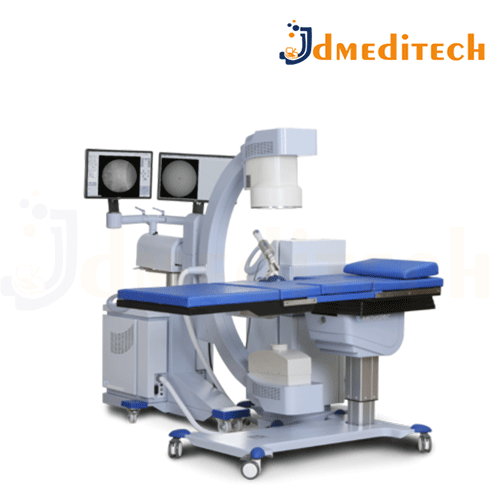
An ESWL Lithotripter (Extracorporeal Shock Wave Lithotripter) is a non-invasive medical device used to break kidney stones and ureteral stones into small fragments using focused shock waves, allowing them to pass naturally through the urinary tract.
Key Features:
Non-surgical and outpatient procedure
Uses shock waves generated outside the body
Real-time imaging with X-ray or ultrasound guidance
Adjustable energy levels for patient comfort and stone size
Minimal recovery time and low complication risk
Uses:
Treatment of renal and ureteric calculi (stones)
Effective for stones <2 cm in size
Often used when stones are not passing on their own and no invasive procedure is preferred
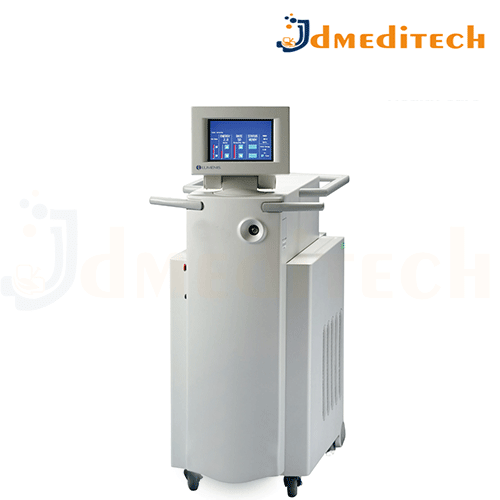
A Holmium Laser Machine is a medical device that uses Holmium:YAG laser technology for precise cutting, ablation, and stone fragmentation—commonly used in urology.
Key Features:
Wavelength: 2100 nm, absorbed well by water and tissue
High precision with minimal thermal damage
Adjustable energy and frequency settings
Works in wet environments (ideal for urinary tract)
Pulsed laser for safe and controlled use
Uses:
Stone fragmentation (lithotripsy) in kidney, ureter, bladder
Prostate surgery (e.g., HoLEP – Holmium Laser Enucleation of the Prostate)
Soft tissue procedures in ENT and orthopedics
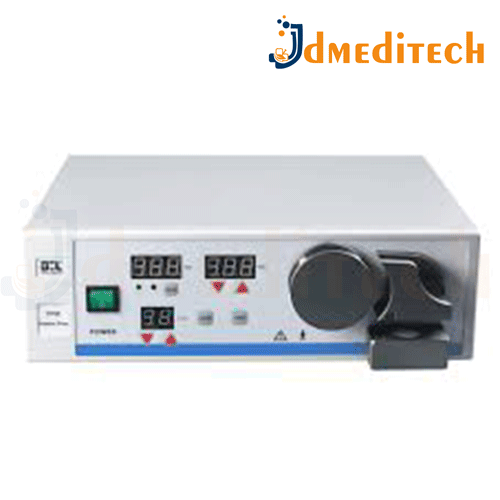
A URO Irrigation Pump is a specialized fluid delivery system used during urological endoscopic procedures to provide continuous, controlled irrigation. It ensures clear visibility and safe distention of the urinary tract during surgery.
Key Features:
Adjustable flow and pressure settings
Footswitch or automatic control
Digital display for real-time monitoring
Compatible with TURP, URS, and PCNL procedures
Prevents overpressure to protect delicate tissues
Works with normal saline or glycine solutions
Uses:
Maintains clear endoscopic view by flushing blood, debris, and stone fragments
Used in procedures like TURP (Transurethral Resection of the Prostate), URS (Ureteroscopy), and PCNL (Percutaneous Nephrolithotomy)
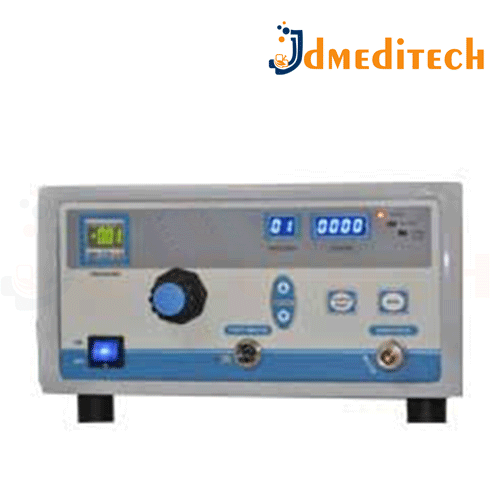
A Digital Lithotripter is an advanced stone fragmentation system used in urology to break kidney, ureteral, or bladder stones. It features digital control technology for precise and effective stone management, typically using pneumatic or ultrasonic energy.
Key Features:
Digital interface for precise power and frequency adjustment
Real-time monitoring of performance and impact settings
High-efficiency stone fragmentation
User-friendly touch screen or button controls
Safety features like auto-stop and overload protection
Compatible with various endoscopic instruments
Uses:
Employed in procedures like URS (ureteroscopy) and PCNL (percutaneous nephrolithotomy)
Breaks stones in the ureter, kidney, or bladder
Suitable for both hard and soft calculi
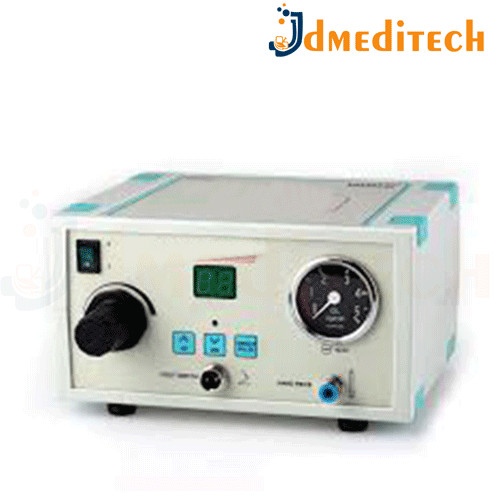
Litho+ is an advanced pneumatic lithotripter used in urology for fragmenting urinary stones (kidney, ureter, bladder) using compressed air-powered mechanical energy.
Key Features:
High-impact pneumatic energy for efficient stone fragmentation
Advanced control system with variable frequency and power
Ergonomic handpiece for better grip and precision
Foot pedal operation for hands-free control
Compatible with different rigid and semi-rigid endoscopes
Low maintenance and cost-effective alternative to laser lithotripsy
Uses:
Breaking stones in the ureter, bladder, or kidney during endoscopic urological procedures
Ideal for ureteroscopic lithotripsy or percutaneous nephrolithotomy (PCNL)
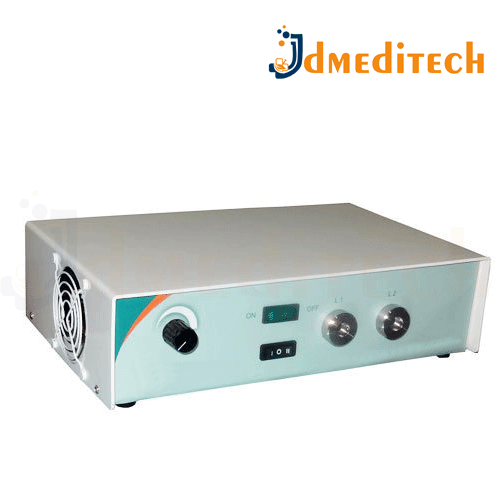
A Halogen Light Source is a medical device that uses a halogen bulb to emit bright, warm light for illumination during endoscopic and surgical procedures.
Key Features:
Bright and consistent light output
Warm color temperature (less white than LED/Xenon)
Lower cost compared to LED and Xenon
Simple operation and easy bulb replacement
Compatible with fiber optic cables and scopes
Uses:
Common in basic endoscopy, diagnostic procedures, and low-budget setups
Used when extreme brightness or true-color rendering is not critical
A Xenon Light Source is a high-intensity medical lighting device that uses a xenon gas bulb to produce bright, daylight-quality light for endoscopic and surgical procedures.
Key Features:
Powerful white light (mimics natural daylight)
High color rendering index (CRI) for true tissue color visualization
Brightness control (manual or automatic)
Compatible with fiber optic cables and various endoscopic systems
Ideal for deep-cavity illumination
Uses:
Used in laparoscopy, urology, ENT, gynecology, and other endoscopic surgeries
Preferred where maximum brightness and color accuracy are needed
An LED Light Source is a medical illumination device that provides bright, white light for endoscopic and surgical procedures, replacing traditional halogen or xenon sources.
Key Features:
High-intensity LED light with long lifespan
Cool light emission (reduces heat at the endoscope tip)
Energy-efficient and durable
Adjustable brightness
Compatible with fiber optic cables and endoscopes
Uses:
Provides illumination in endoscopy, laparoscopy, urology, and other minimally invasive surgeries
Enhances visual clarity for cameras and scopes