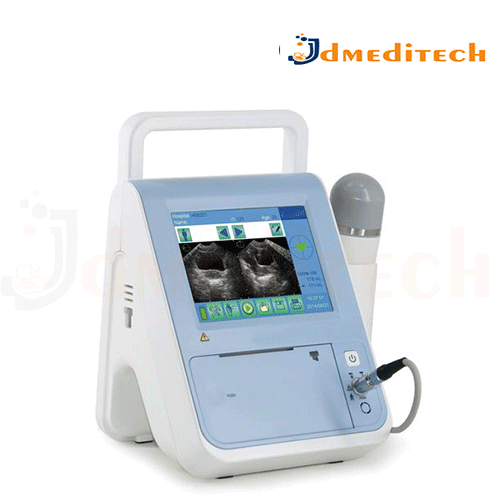
A Bladder Scanner is a non-invasive ultrasound device used to measure bladder volume and detect urine retention.
Key Features:
Ultrasound-based imaging
Portable and handheld options available
Real-time bladder volume measurement
Automatic calculation of post-void residual (PVR) urine
No catheterization required
Uses:
Assess urinary retention
Measure post-void residual volume
Prevent unnecessary catheterization
Monitor bladder function in hospitals, urology clinics, and nursing homes
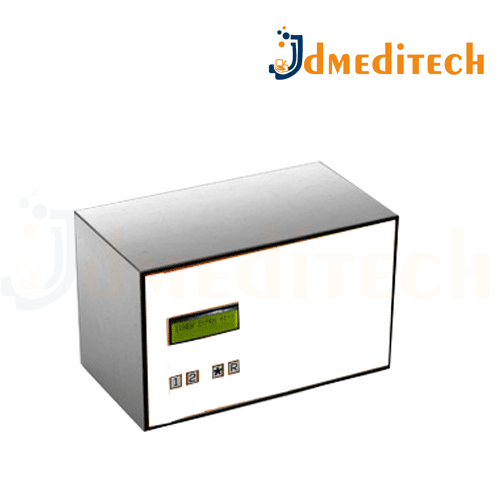
A Weight-Based Uroflowmetry System is a diagnostic urology device that measures urine flow rate and volume by detecting the change in weight of urine collected during voiding.
Features:
Load cell sensor to measure weight changes accurately
High sensitivity for precise measurement of low or high flow rates
PC connectivity or built-in display for data analysis
Real-time graph plotting of flow vs. time
Automatic calibration and auto start/stop
Use:
Evaluates urinary flow patterns to diagnose conditions like BPH, strictures, or incontinence
Often used in urology clinics and urodynamic studies
Helps track treatment effectiveness
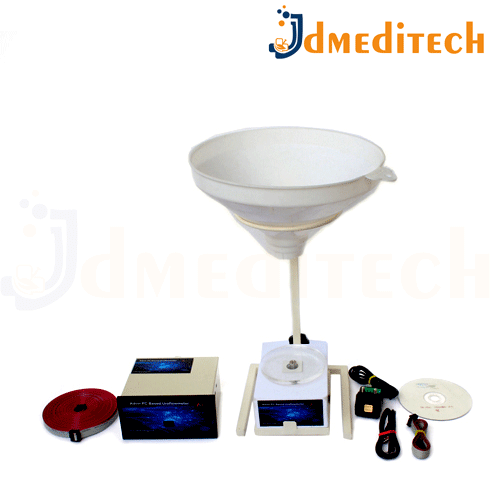
A PC-Based Uroflowmetry System is a diagnostic device used to measure and analyze urine flow rate during urination, with results processed and displayed on a computer (PC).
Features:
Flow sensor measures flow rate and volume of urine
PC software for data capture, graphical display, and report generation
User-friendly interface for real-time monitoring
Automatic start/stop based on urine flow
Compact and portable design
Use:
Diagnoses lower urinary tract symptoms (LUTS), benign prostatic hyperplasia (BPH), and urinary incontinence
Monitors treatment outcomes in urology patients
Used in urodynamic labs and urology clinics
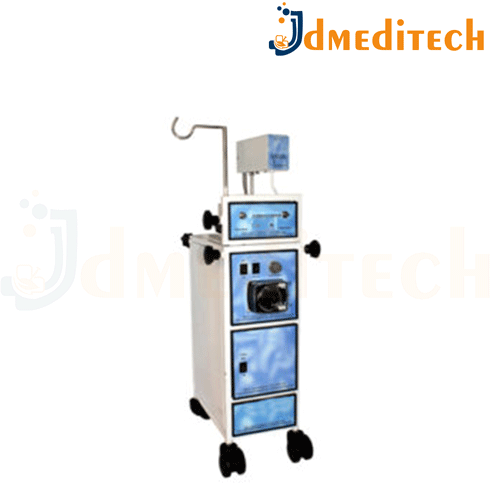
A Urodynamic System is a diagnostic medical device used to evaluate the function of the bladder, urethra, and lower urinary tract by measuring pressure and flow during urination.
Features:
Pressure sensors to monitor bladder and abdominal pressures
Flow meters to measure urine flow rate
Software interface for data recording and analysis
Multi-channel recording for simultaneous pressure readings
Real-time graphical display of bladder activity
Use:
Diagnosing urinary incontinence, overactive bladder, urinary retention, or neurogenic bladder
Guides treatment for patients with voiding dysfunction or bladder outlet obstruction