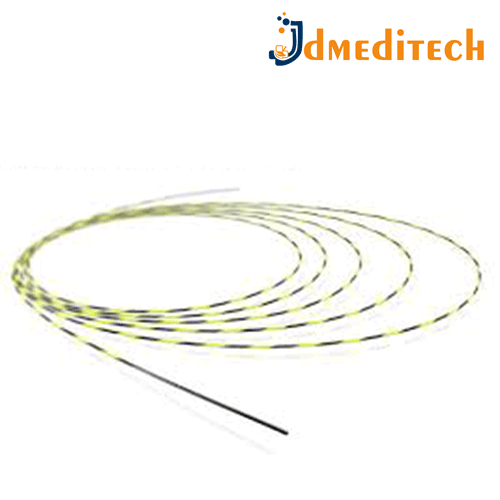
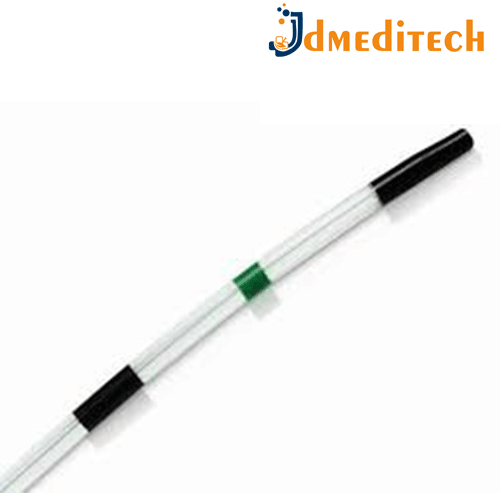
ERCP Guide Wire is a thin, flexible wire used during Endoscopic Retrograde Cholangiopancreatography (ERCP) to guide instruments like cannulas, stents, or dilators into the biliary or pancreatic ducts.
Features:
Hydrophilic or PTFE-coated for smooth navigation
Flexible and kink-resistant design
Radiopaque tip for fluoroscopic visibility
Variety of lengths and diameters for different clinical needs
Uses:
To aid in duct cannulation
To guide stents, sphincterotomes, or dilators
Essential for safe and accurate access to bile or pancreatic ducts during ERCP.
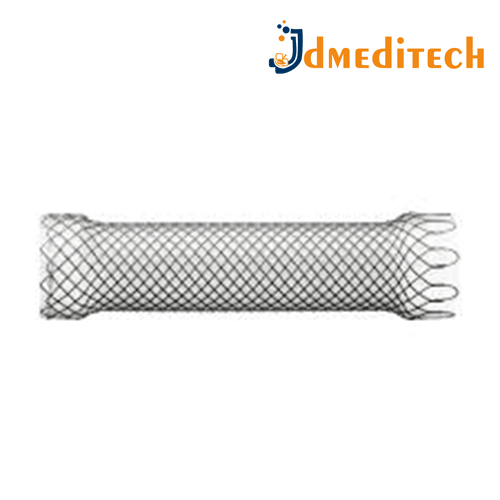
A Biliary Metal Stent is a self-expanding metallic tube inserted into the bile duct to relieve obstructions caused by tumors, strictures, or stones.
Key Features:
Self-expandable design: Automatically opens to maintain duct patency
Made of Nitinol or stainless steel: Flexible and durable
Radiopaque markers: Aid accurate placement under fluoroscopy
Available in covered or uncovered types:
Covered: Prevents tumor ingrowth
Uncovered: Allows bile duct side-branch drainage
Long-term patency: Better than plastic stents, ideal for malignant cases
Uses
Palliation of malignant biliary obstruction (e.g., cholangiocarcinoma, pancreatic cancer)
Treatment of benign biliary strictures (in selected cases)
Maintaining bile flow post-tumor compression or post-surgery
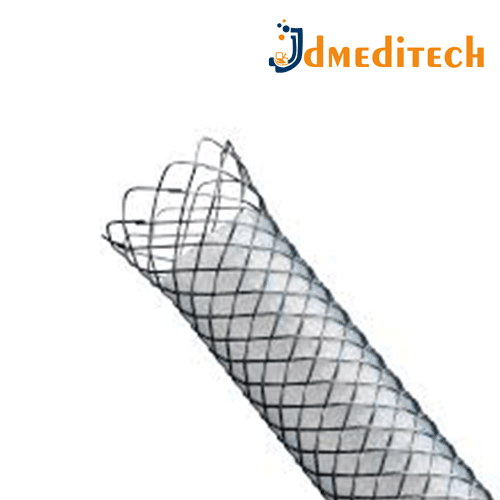
An Esophageal Metal Stent is a self-expanding metallic tube used to open and maintain patency in a narrowed or blocked esophagus, typically caused by tumors or strictures.
Key Features:
Self-expanding: Automatically expands once placed.
Flexible mesh design: Conforms to the esophageal shape.
Radiopaque markers: Aid in accurate positioning under imaging.
Covered or uncovered options: Covered stents prevent tumor ingrowth.
Uses:
Palliative treatment of malignant esophageal strictures or cancer.
Restores swallowing ability in patients with advanced esophageal diseases.
Can also be used in benign strictures, fistulas, or leaks, depending on clinical judgment.
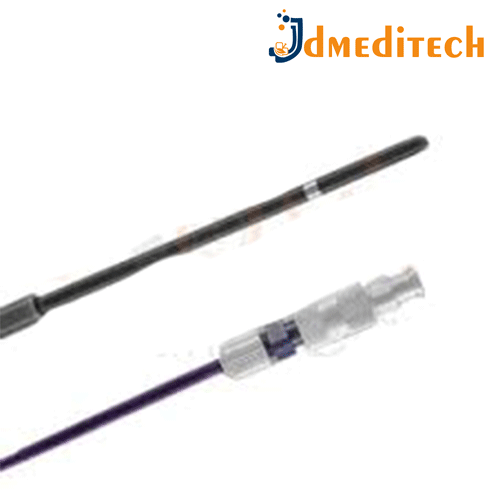
A Biliary Stent Introducer Set is a specialized medical device set used to accurately place biliary stents into the bile duct during procedures like ERCP (Endoscopic Retrograde Cholangiopancreatography) or PTBD (Percutaneous Transhepatic Biliary Drainage).
Key Features:
Guidewire compatible: Enables smooth and controlled stent placement
Radiopaque components: For precise visualization under fluoroscopy
Sheath and dilator: Help navigate through strictures or narrowed ducts
Ergonomic handle: Allows steady advancement of the stent
Uses:
For introducing plastic or metal biliary stents in cases of:
Biliary obstruction
Malignant or benign strictures
Post-surgical complications
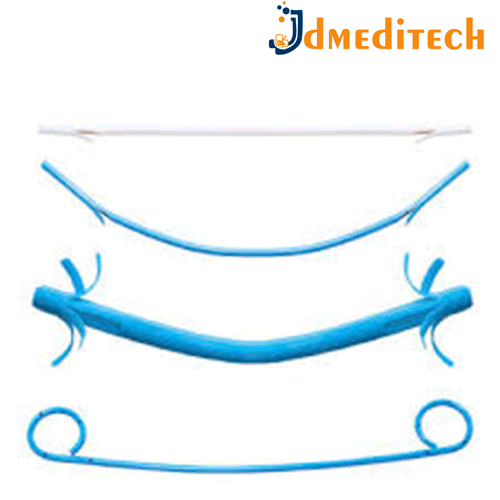
Biliary stents are tubular devices placed in the bile duct to relieve blockages and maintain the flow of bile from the liver to the intestines.
Types:
Plastic Stents
Short-term use (weeks to months)
Easy to insert and remove
Lower cost
Metal Stents (Self-Expandable)
Long-term use (especially in malignant cases)
More durable and wider lumen
Available in covered or uncovered designs
Key Features:
Radiopaque markers: Help in accurate placement under imaging
Various lengths and diameters: Tailored for patient anatomy
Flexible materials: Reduce trauma to bile ducts
Compatible with ERCP or PTBD procedures
Uses:
Treat bile duct obstructions (malignant or benign)
Support bile flow in cases of tumors, strictures, or post-surgical narrowing
Used in ERCP, PTBD, or surgery
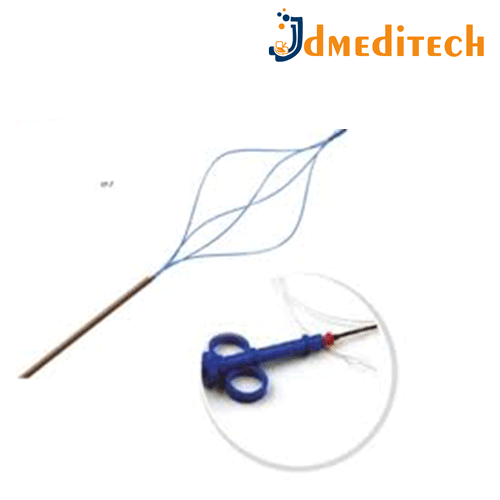
A CBD (Common Bile Duct) Stone Retrieval Basket is a specialized endoscopic tool used to capture and remove stones from the common bile duct during ERCP (Endoscopic Retrograde Cholangiopancreatography) procedures.
Features:
Flexible wire basket design: Usually 3–4 or 4–6 wires made of stainless steel or nitinol
Retractable mechanism: Opens and closes for capturing and releasing stones
Radiopaque markers: For fluoroscopic visibility
Compatible with endoscopes used in biliary procedures
Available in rotatable or non-rotatable types
Uses:
Grasping and extracting biliary stones lodged in the CBD
Used during ERCP procedures to clear the duct
Helps avoid invasive surgery for stone removal
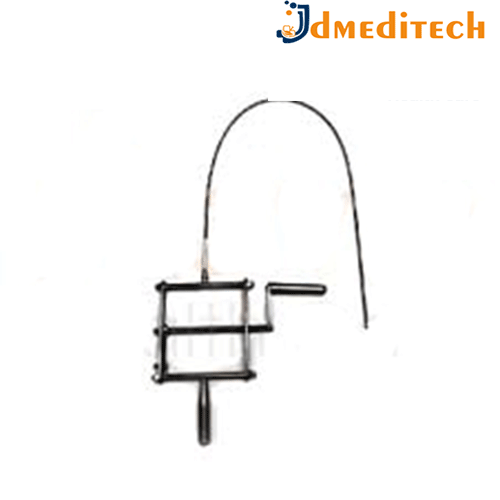
Manual Lithotripter is a hand-operated medical device used to crush urinary stones (kidney, bladder, or ureter) during endoscopic procedures.
Features:
Hand-operated (no power needed)
Made of durable stainless steel
Works with stone retrieval tools (basket/forceps)
Easy to use and cost-effective
Uses:
Crushes bladder or ureteral stones
Used in urology during cystoscopy or ureteroscopy
Ideal for settings without advanced equipment
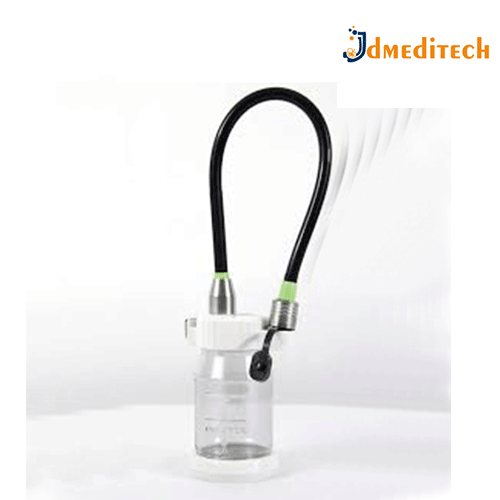
Endoscopy Water Bottle is a medical accessory used during endoscopic procedures to deliver sterile water through the endoscope for cleaning the lens and flushing the mucosa.
Features:
Made of autoclavable, medical-grade material
Leak-proof design with secure cap
Connects directly to the endoscope via tubing
Compatible with various endoscopy systems
Easy to refill and clean
Uses:
Cleans the endoscope lens during procedures
Flushes debris or blood for clear visibility
Maintains a clean field of view inside the body.
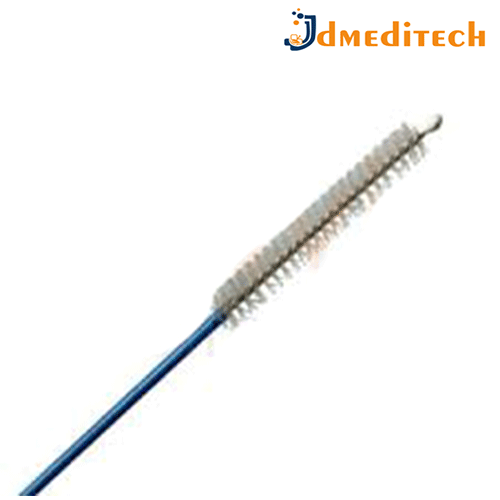
A Biliary Cytology Brush is a slender, flexible endoscopic tool used to collect cell samples from the bile ducts during procedures like ERCP (Endoscopic Retrograde Cholangiopancreatography) for diagnostic purposes, especially to detect cancer or strictures.
Key Features:
Nylon bristles: Designed to gently collect epithelial cells
Radiopaque tip or markers: For accurate positioning under fluoroscopy
Flexible catheter shaft: Navigates easily through the biliary tree
Sterile and single-use: Ensures patient safety and hygiene
Uses:
Sampling bile duct lesions or strictures for cytological analysis
Diagnosing cholangiocarcinoma (bile duct cancer) or benign vs. malignant strictures
Commonly used in ERCP for evaluating biliary obstruction
ERCP Cannula (Endoscopic Retrograde Cholangiopancreatography Cannula) is a specialized catheter used during ERCP procedures to access and cannulate the bile duct or pancreatic duct through an endoscope.
Features:
Flexible, tapered tip for easy duct entry
Radiopaque for visibility under fluoroscopy
Available in different lengths and diameters
Some designs include guidewire compatibility
Uses:
To inject contrast dye for duct imaging
To facilitate guidewire placement in bile or pancreatic ducts
Used in diagnosis and treatment of biliary and pancreatic disorders.