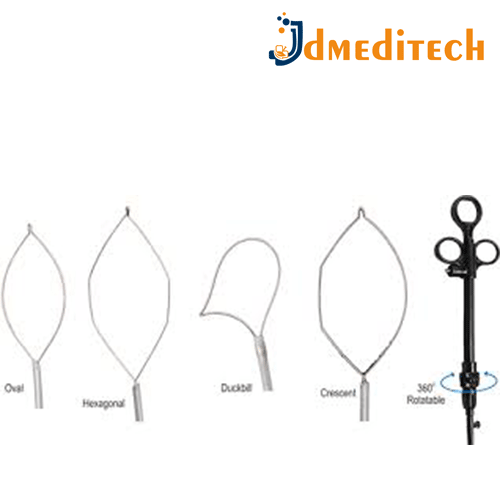
A Polypectomy Snare is a medical device used during endoscopy or colonoscopy to remove polyps from the lining of the gastrointestinal (GI) tract.
Key Features:
Loop of thin wire that opens and closes
Made of stainless steel or monofilament
Comes in hot (with electrocautery) and cold (mechanical only) types
Available in different sizes and loop shapes
Controlled by a handle or control wire
Uses:
Cuts and removes polyps from the colon, stomach, or intestines
Hot snare cauterizes tissue to reduce bleeding
Cold snare is ideal for small polyps without cautery
Used for biopsy, cancer prevention, and treatment
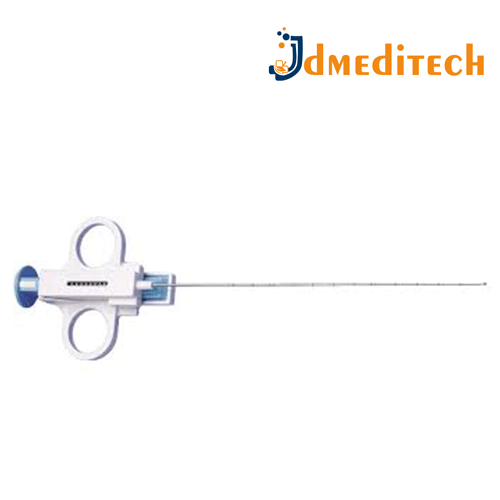
A Soft Tissue Biopsy Needle is a medical instrument used to collect tissue samples from soft tissues (like muscles, fat, or organs) for diagnostic examination.
Features:
Thin, hollow needle designed to penetrate soft tissue
May have a cutting edge or side notch to capture tissue
Available in various gauges and lengths
Compatible with manual or automatic biopsy devices
Made of stainless steel for durability and sterility
Uses:
Obtain tissue samples from muscles, lymph nodes, tumors, or other soft tissues
Helps diagnose cancer, infections, or inflammatory diseases
Used in outpatient clinics, radiology, or surgery
Minimally invasive alternative to surgical biopsy
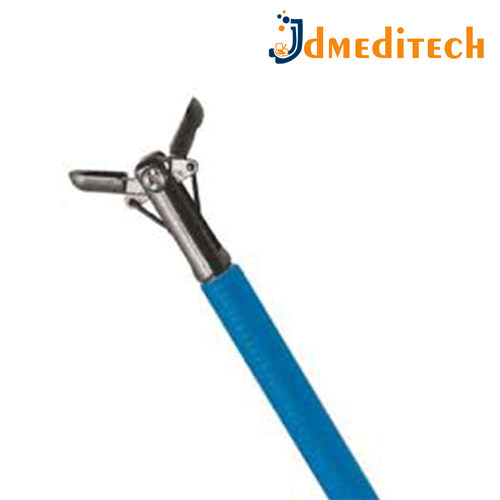
Endoscopy Biopsy Forceps are specialized instruments used during an endoscopic procedure to obtain tissue samples from the gastrointestinal tract or other internal organs for histopathological examination.
Key Features:
Stainless steel jaws: Sharp-edged cups for precise tissue cutting.
Flexible or rigid shaft: Compatible with various endoscopes (gastroscopes, colonoscopes, bronchoscopes).
With or without spike: Central spike helps anchor tissue for a better grip.
Various cup designs: Serrated, oval, or alligator for different sampling needs.
Disposable or reusable options: Available based on clinical preference and cost.
Uses:
Tissue biopsy from esophagus, stomach, colon, bronchi, or urinary tract during endoscopy.
Diagnosis of infections, cancer, inflammation, or abnormal growths.
May also be used for foreign body removal or polyp retrieval in some cases.
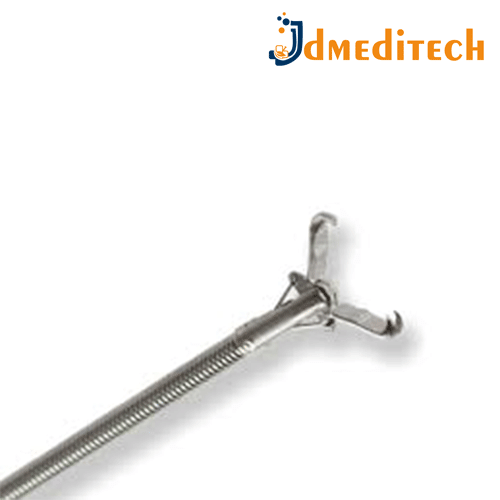
Endoscopy Foreign Body Forceps are specialized tools used during endoscopic procedures to grasp, retrieve, or remove foreign bodies from within the gastrointestinal (GI) tract, respiratory tract, or other internal cavities.
Key Features:
Flexible shaft: Allows passage through endoscope channels and navigation through internal anatomy.
Variety of jaw designs:
Rat-tooth, alligator, basket, or tripod for secure gripping of different objects.
Stainless steel construction: For strength, flexibility, and corrosion resistance.
Smooth or serrated jaws: Depending on the nature of the foreign object.
Disposable or reusable options available.
Common Uses:
Removal of ingested objects (coins, batteries, food boluses) from the esophagus or stomach.
Extraction of aspirated materials from the airways.
Grasping tissues or polyps in certain procedures.
Can be used in gastroenterology, pulmonology, urology, or ENT procedures.
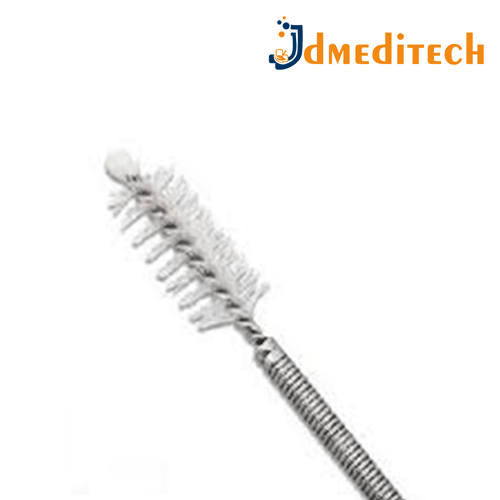
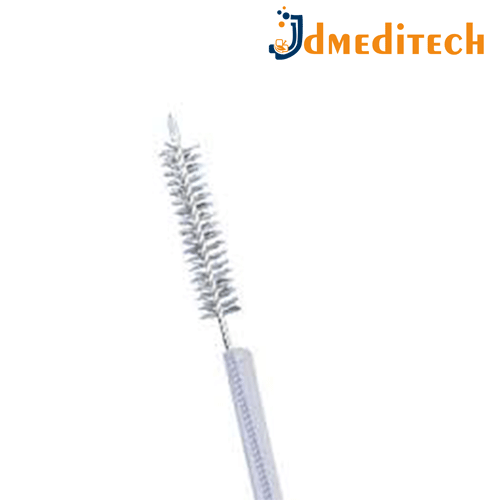
An Endoscope Cleaning Brush is a specialized medical brush designed to manually clean the internal and external channels of an endoscope after use, as part of the decontamination and sterilization process.
Key Features:
Flexible shaft: To navigate and clean the curved channels of flexible and rigid endoscopes.
Soft bristles: Made from nylon or similar material to avoid damaging the scope.
Various sizes: Available in different diameters and lengths to suit different endoscopes and channels.
Dual-ended design (optional): Some brushes come with two cleaning heads for multiple uses.
Uses:
Removes organic debris, mucus, and blood from endoscope channels.
Essential for preventing infection and ensuring scope functionality.
Used during the manual pre-cleaning stage before automated disinfection.
A Gastrology Cytology Brush is a specialized endoscopic tool used to collect cell samples from the gastrointestinal (GI) tract, particularly the esophagus, stomach, bile ducts, or pancreas, for cytological examination.
Features:
Flexible catheter with nylon bristles: Allows safe navigation through the GI tract.
Smooth and atraumatic: Minimizes tissue damage during sample collection.
Sterile and disposable: Ensures hygiene and reduces contamination risk.
Compatible with endoscopes: Passes through the working channel.
Uses:
To obtain cell samples for diagnosing cancers, infections, or other abnormalities.
Commonly used during ERCP or upper GI endoscopy for brushing suspicious lesions or strictures.
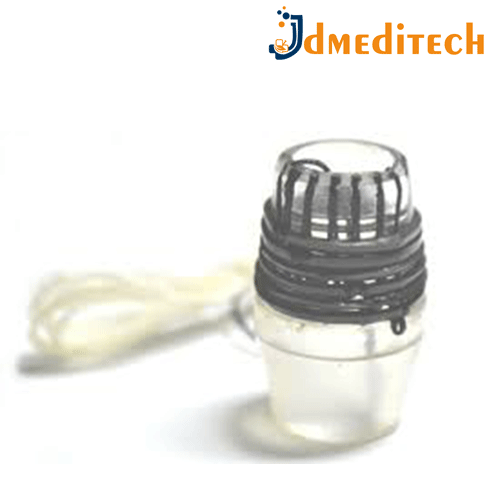
A Multi-Band Ligator is a medical device used to treat internal hemorrhoids by applying multiple rubber bands in one procedure. It is an advanced form of a hemorrhoid band ligator.
Features:
Preloaded with multiple rubber bands (usually 4–6)
Allows quick, repeated banding without reloading
Works with suction or forceps mechanism
Compatible with an anoscope
Available in disposable or reusable types
Uses:
Treats Grade I to III internal hemorrhoids
Enables faster and efficient banding
Ideal for outpatient procedures
Reduces procedure time and improves patient comfort
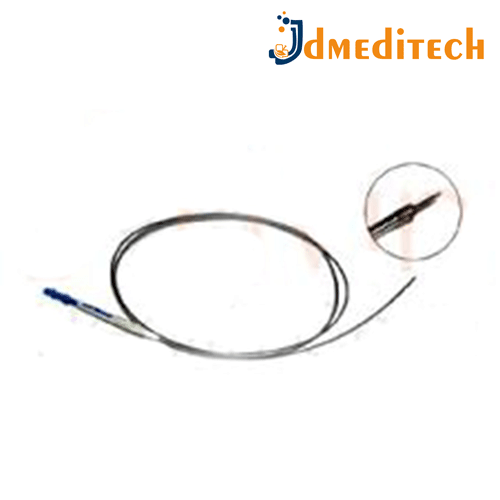
A Sclerotherapy Needle is a medical device used during endoscopy to inject a sclerosant (chemical agent) into or around abnormal veins or lesions, such as varices or hemorrhoids, to make them shrink or close off.
Features:
Thin, flexible needle with protective sheath
Compatible with endoscopes
Retractable design for safe insertion
Available in different needle lengths and gauges
Made of biocompatible stainless steel and plastic
Uses:
Injection of sclerosant into:
Esophageal or gastric varices
Internal hemorrhoids
GI bleeding lesions
Promotes vein sclerosis and closure
Used in gastroenterology and proctology procedures
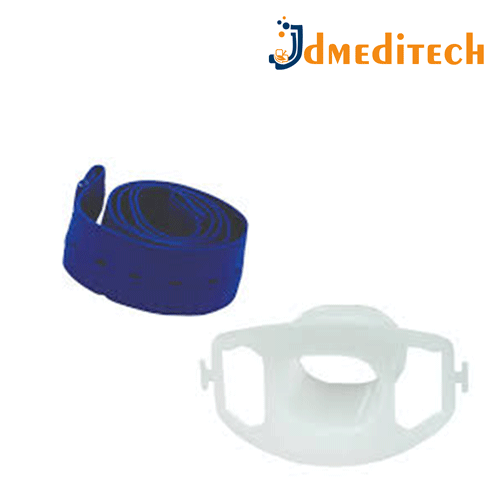
A Mouth Guard for Endoscopy is a medical device used during upper GI endoscopy (esophagogastroduodenoscopy) to protect the patient’s teeth, lips, and the endoscope.
Features:
Made of soft, non-toxic plastic or silicone
Central hole for passing the endoscope
Bite-resistant to prevent damage to the scope
Adjustable strap or grip for secure fit
Disposable or reusable options
Uses:
Protects teeth and mouth during endoscopy
Prevents patients from biting the endoscope
Ensures safe and smooth insertion of the scope
Improves patient comfort and safety
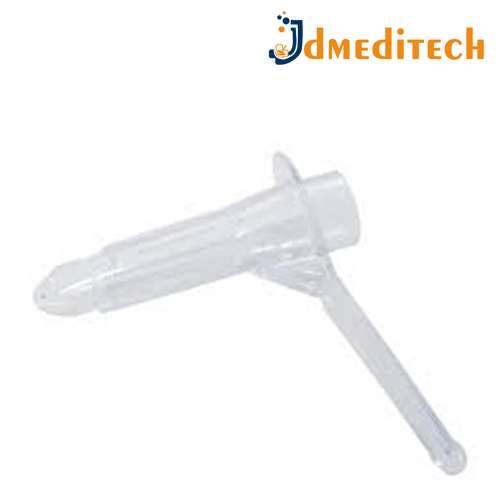
A Plastic Proctoscope is a disposable or reusable medical instrument used to examine the rectum and anal canal, made from medical-grade plastic.
Features:
Made of lightweight plastic
Transparent or opaque body
Includes an obturator for smooth insertion
May have an integrated or attachable light source
Available in various sizes
Often single-use for hygiene
Uses:
Visual inspection of the anal and rectal cavity
Used in diagnosis and minor procedures (e.g., hemorrhoid exam, biopsy)
Common in outpatient and proctology clinics
Offers a cost-effective and sterile alternative to metal proctoscopes